Spices Every Home Cook Should Have, According to Chef Jenn
People ask me about spices constantly. What to buy, what to skip, what actually gets used versus what sits in the cabinet for three years collecting dust. After more than 20 years in professional and home kitchens, I have opinions, and this is the list I’d hand every new cook.
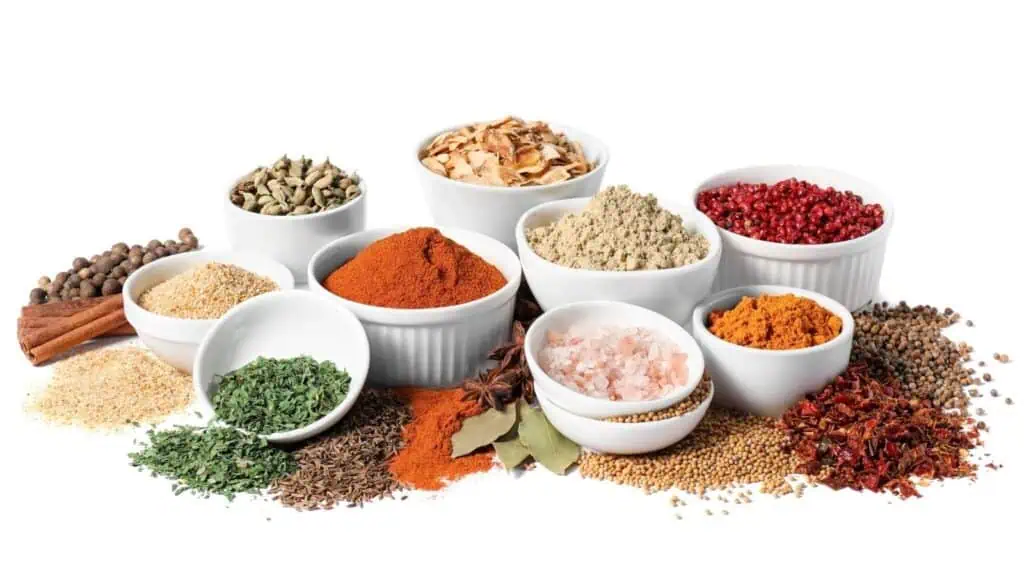
These aren’t filler recommendations. Every spice on this list earns its spot because it shows up repeatedly across cuisines, adds real flavor, and won’t leave you guessing what to do with it. I’ve also included a note on organic: don’t stress about it. The case for organic dried spices is pretty weak. The drying process changes the equation entirely, and you’re better off putting that extra money toward quality fresh ingredients where it actually matters.
Start here. Build from here. Your cooking will thank you.
31 of Chef Jenn's FAVE Casseroles
I've gathered 31 of my favorite casseroles for you and your family to love, all in a convenient ebook with no ads and no AI! Each of these scratch-made dishes is created, tested, and loved by Chef Jenn. Get your instant download now!

You'll get ad-free recipes like:
Spaghetti Casserole,
Sloppy Joe Casserole,
Cowboy Casserole,
and more!

This is a digital product. You'll receive an instant download link after purchase.
Bay Leaves
Bay leaves are one of the great background players in cooking. You won’t taste bay leaf the way you taste salt or garlic — you’ll taste the absence of it if you forget to add one. That’s how subtle and important they are. Bay leaves add a warm, slightly floral, almost tea-like depth to braises, soups, stews, and stocks. They work in the background, rounding out flavors and adding a complexity that’s hard to identify but immediately missed.
Add one or two to any braise, soup, or slow-cooked dish at the start of cooking and remove before serving — they’re not edible. That’s it. They’re one of the easiest spices in the cabinet to use correctly.
Store dried bay leaves in an airtight container away from light and heat. They last a long time but lose potency after a year or two. If yours don’t smell like anything when you crush them, it’s time for a new jar.
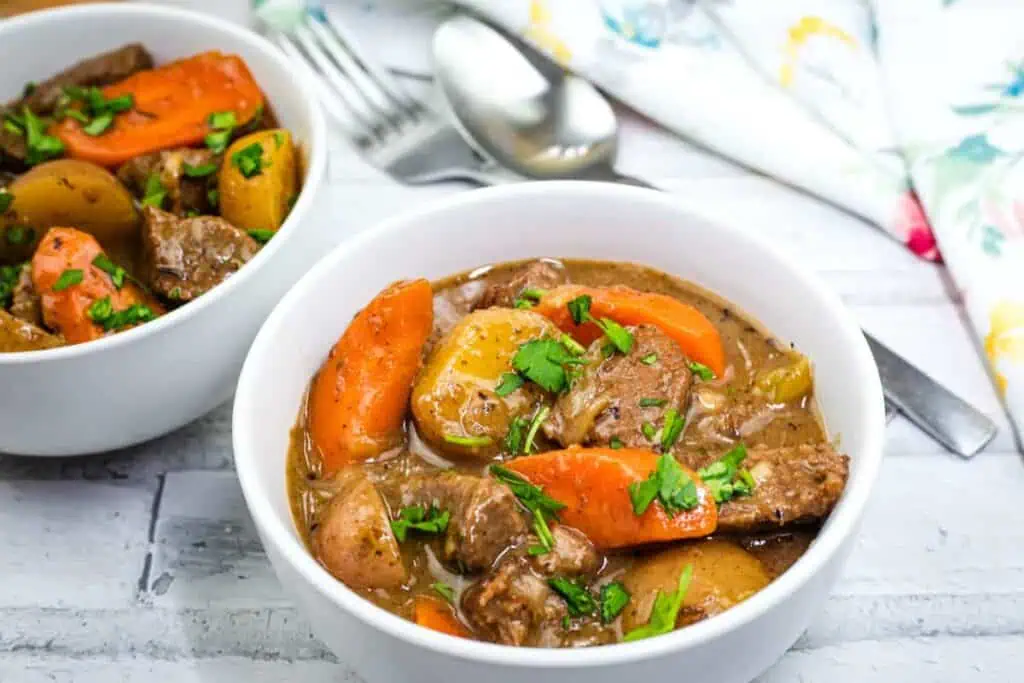
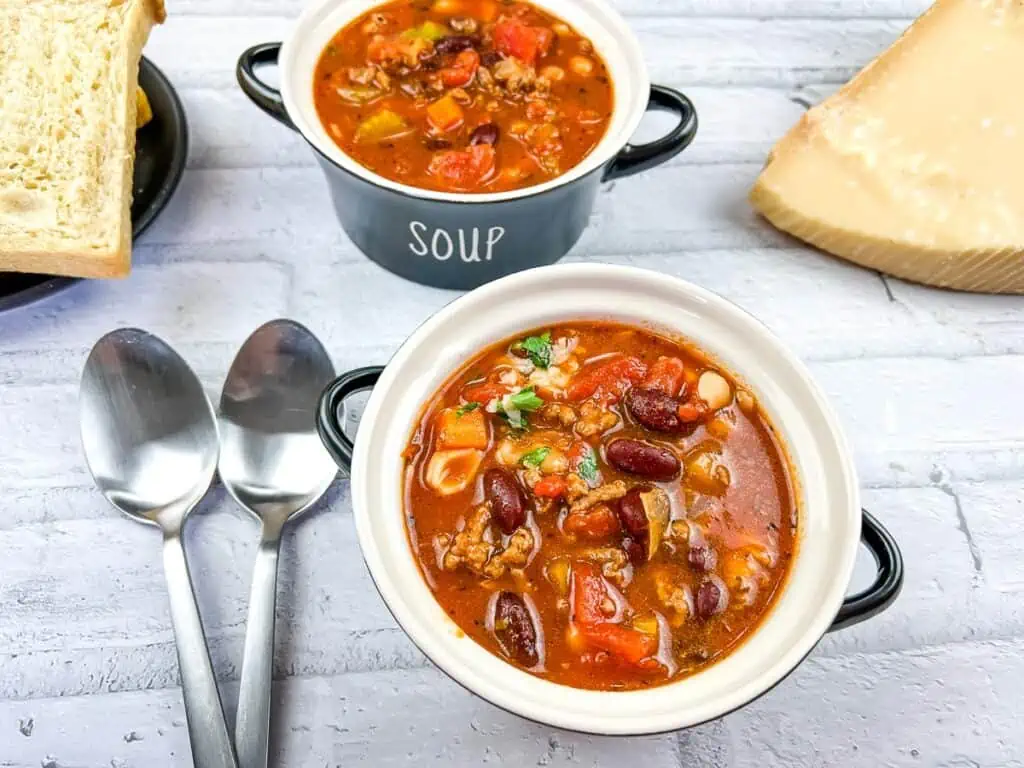
Try them in my Classic Beef Stew, Dutch Oven Carnitas, or Pasta e Fagioli Soup.
Black Pepper (Whole, with a Grinder)
Pre-ground pepper is basically dust. By the time it reaches your spice cabinet, most of the essential oils that give black pepper its sharp, complex heat have already off-gassed. What you’re left with is flat, one-note pepper flavor that does very little for your food.
Buy whole peppercorns and a grinder. This is one of those small changes that makes an immediate, noticeable difference in everything you cook. Freshly cracked pepper has heat, brightness, and a complexity that pre-ground simply cannot match. Use it on eggs, steaks, pasta, soups — everything.
A simple pepper grinder is cheap. Whole peppercorns last almost indefinitely. There’s no reason not to make this switch.
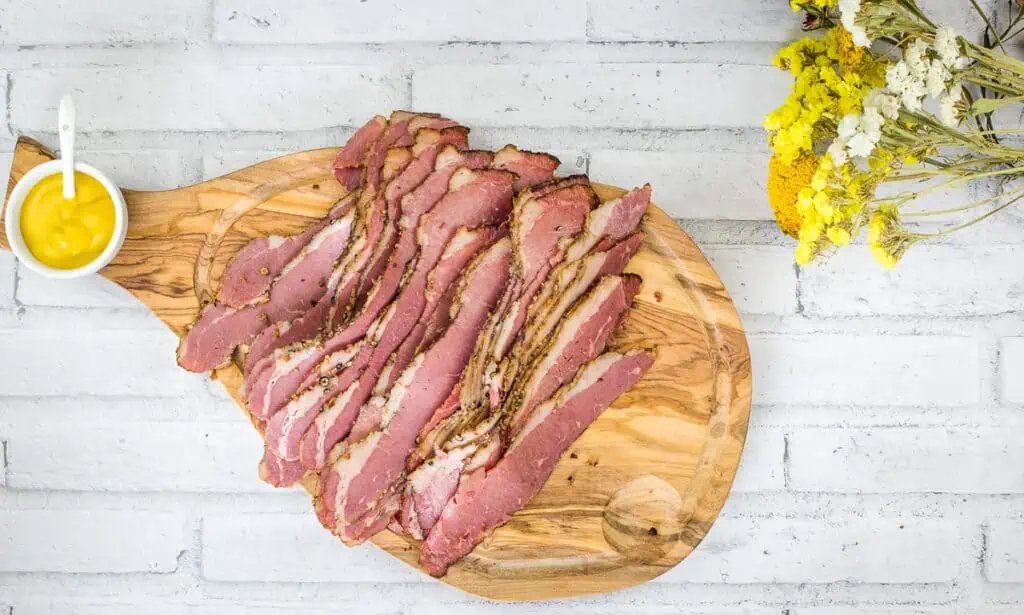
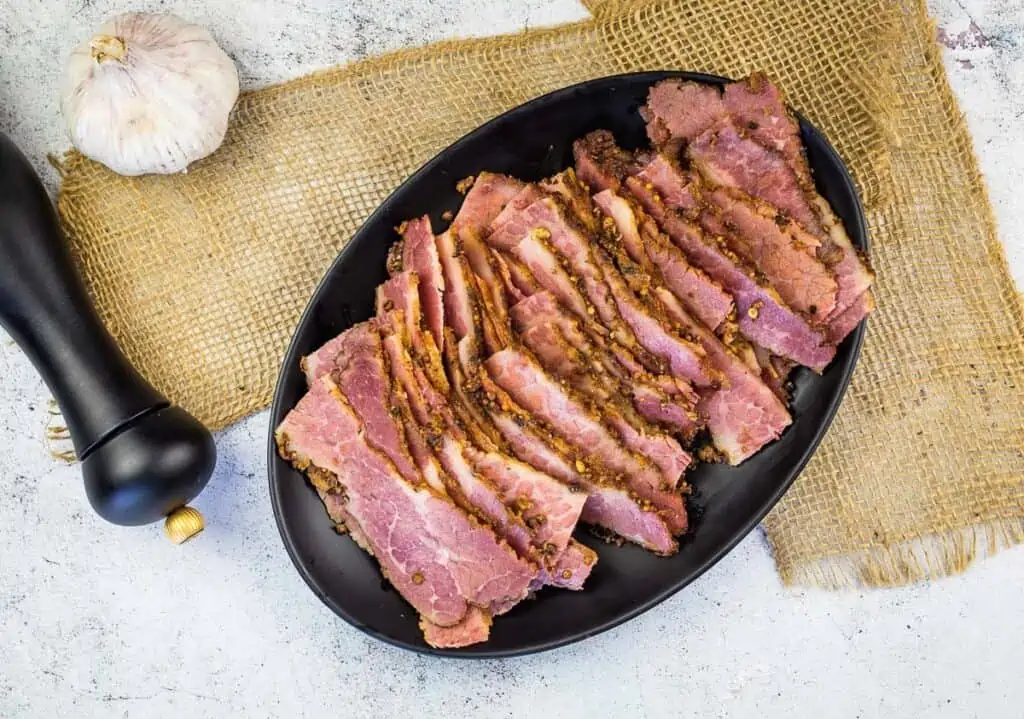
See why it matters in my Homemade Montreal Smoked Meat, Homemade Bacon, or Homemade Pastrami where cracked pepper is the whole point of the rub.
Cajun Seasoning
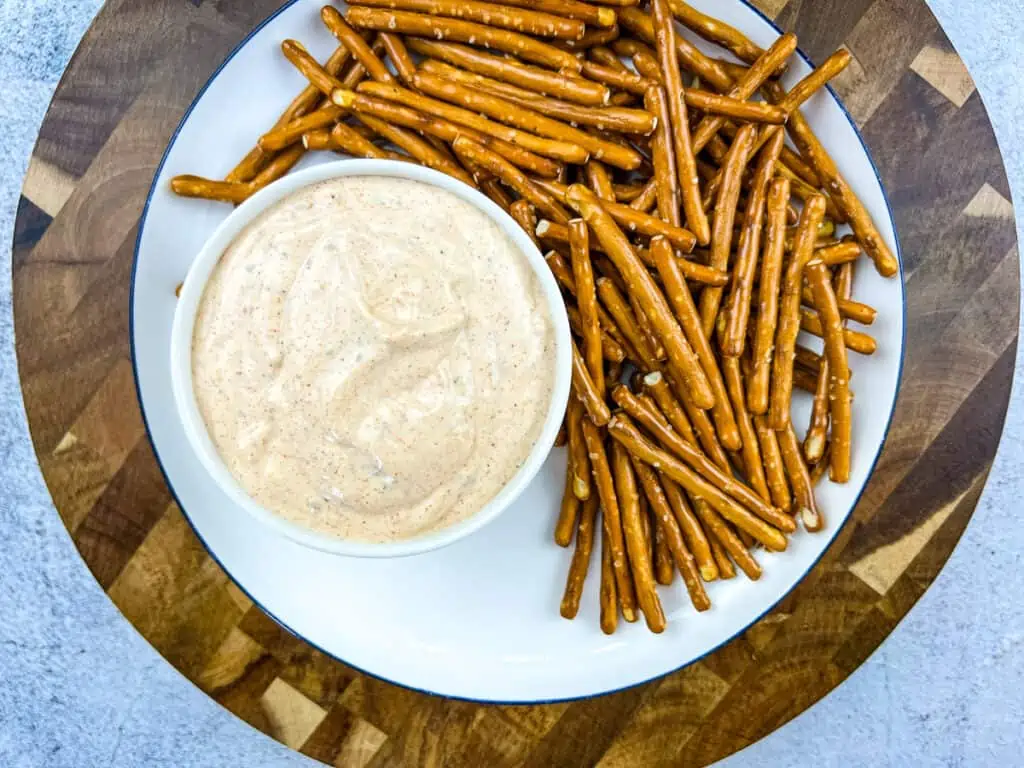
A good Cajun seasoning blend is one of the hardest-working things in your spice cabinet. It typically combines paprika, cayenne, garlic powder, onion powder, oregano, thyme, and black pepper into a single jar that does the heavy lifting on proteins, potatoes, rice, and seafood. One jar covers an enormous amount of ground.
Use it as a dry rub on chicken or shrimp before grilling, toss it with roasted potatoes, stir it into dips and sauces, or shake it over corn on the cob. It brings that signature Southern depth without requiring you to measure out six separate spices every time you cook.
Check the sodium on your brand — some Cajun blends are loaded with salt, which limits how much you can use before your food gets too salty. If yours is heavy on salt, pull back and season separately.
Try it in my Cajun Dipping Sauce, Blackstone Sausage and Peppers, or Crunchy Spicy Fried Okra.
Cayenne Pepper
Cayenne is not just a heat spice. Yes, it adds heat, but more specifically, it adds a back-of-the-throat warmth that lingers and wakes up a dish in a way that other peppers don’t. A pinch of cayenne in a cream sauce, a soup, or a spice rub doesn’t make the dish spicy, it makes it more alive.
That said, cayenne is potent. A little goes a long way. Start with a pinch, taste, and add more if needed. You can always add more, but you can’t take it out. It plays well with almost everything savory and pairs especially well with smoked paprika, cumin, and garlic powder in dry rubs.
Store it away from heat and light; cayenne fades faster than most spices and old cayenne loses its punch. Replace it every 6 to 12 months.
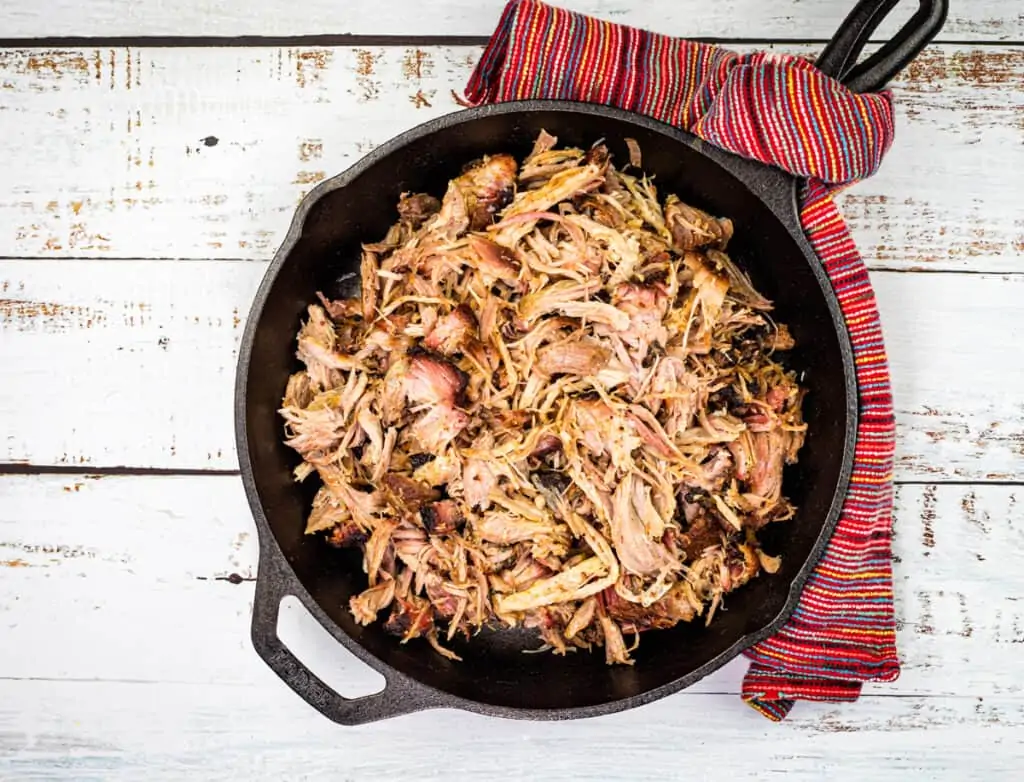
I reach for it in my Smoked Pulled Pork rub, Chicken and Corn Chowder, and Best Pork Rub.
Chipotle Powder
Chipotle powder is made from smoked and dried jalapeños, which means it brings both smokiness and heat in a single spice. It’s earthy, complex, and slightly fruity underneath the heat, nothing like straight cayenne. This is what separates an interesting chili from a boring one.
Use it in chili, bean dishes, dry rubs for pork and chicken, soups, and anywhere you want smokiness without firing up the smoker. It also works beautifully with sweet ingredients: roasted sweet potatoes, corn, and even chocolate-based chili recipes are all improved by a little chipotle powder.
Start with less than you think you need. Chipotle powder is more potent than it looks, and heat levels vary by brand. Taste as you go.
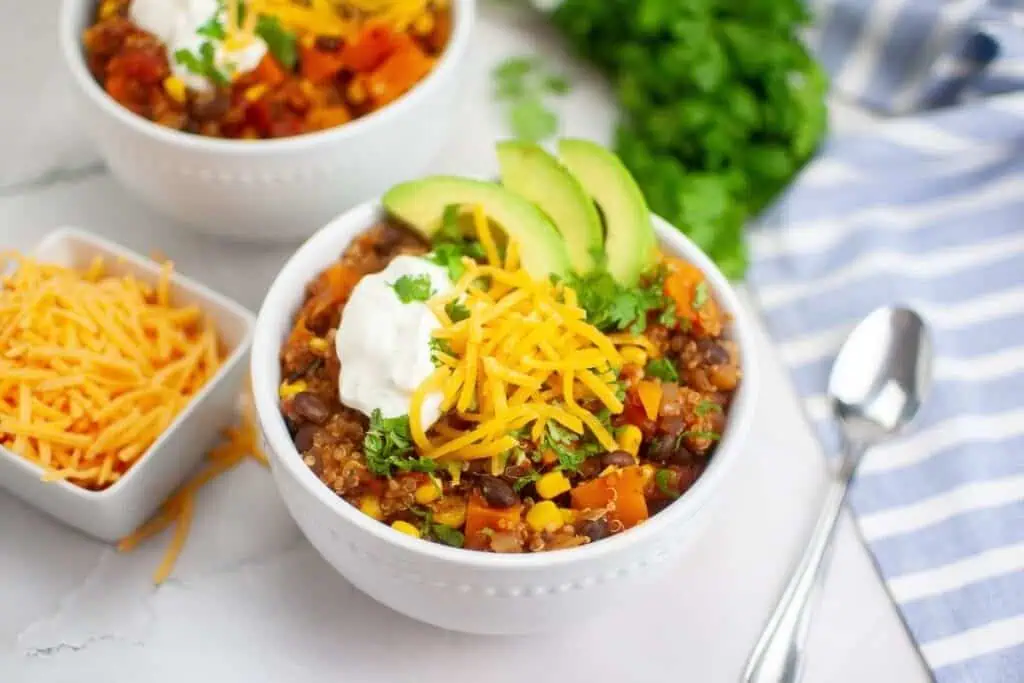
Try it in my Mexican Black Beans, Sweet Potato Chili with Quinoa, or Baked Beans Casserole.
Cinnamon
Most home cooks relegate cinnamon to baking and that’s a mistake. Professional kitchens use cinnamon in savory applications all the time — Moroccan tagines, Cincinnati chili, braised lamb, slow-cooked pork. It adds warmth and a subtle sweetness that rounds out bold, savory flavors without tasting like dessert.
In savory cooking, cinnamon is a supporting player. You don’t want to taste it outright; you want it working in the background. A quarter teaspoon in a pot of chili or a braise is usually enough. Pair it with cumin, coriander, and paprika and you’ve got a spice profile that works across Middle Eastern and Mexican cuisines.
In baking, it’s obviously essential. Keep two jars if you cook both ways; it goes fast.
Try it in my Creamy Pumpkin Soup, Cincinnati Chili, or Salted Caramel Brown Butter Snickerdoodle Cookies.

Cumin
Cumin is one of the most used spices in professional kitchens worldwide and one of the most underused in home kitchens. It has a warm, earthy, slightly nutty flavor that’s essential in Mexican, Middle Eastern, Indian, and North African cooking. Once you start cooking with it regularly, you’ll wonder how you ever made chili or tacos without it.
Always use ground cumin, not cumin seeds, unless a recipe specifically calls for seeds. For maximum flavor, toast cumin briefly in a dry pan or add it to hot fat and let it sizzle for 30 seconds before adding other ingredients; that blooming step releases the essential oils and transforms the flavor completely.
It pairs beautifully with chili powder, chipotle, coriander, paprika, and garlic. Buy it in a larger container if you cook Mexican or Indian food regularly; you’ll go through it fast.
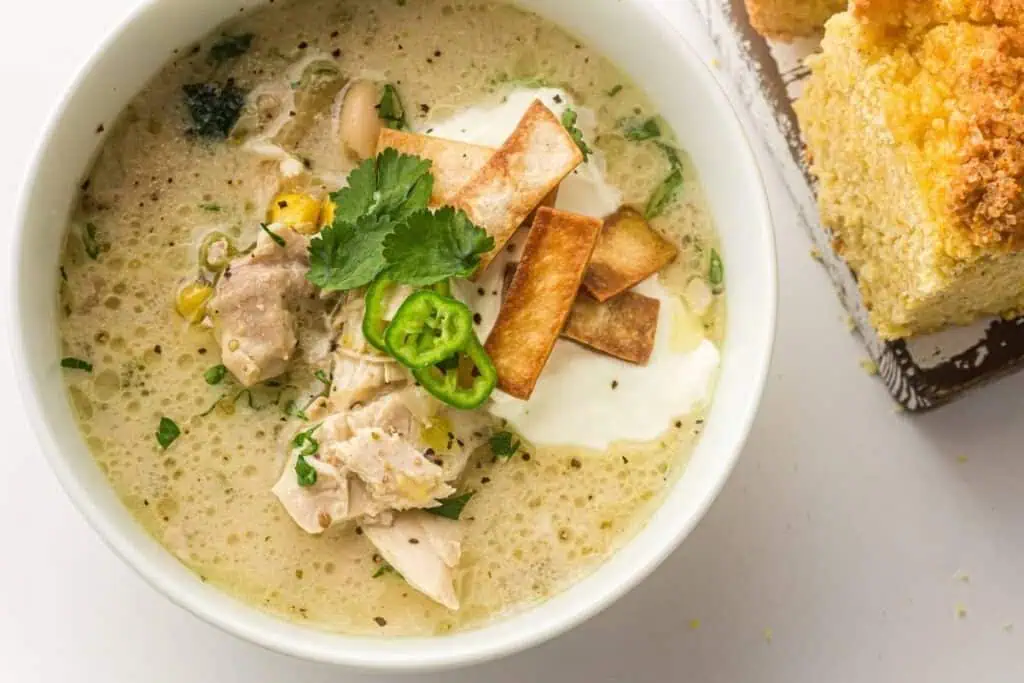
Try it in my Slow Cooker White Chicken Chili, Carne Molida, or Dutch Oven Carnitas.
Dehydrated Onion Flakes
Dehydrated onion flakes are not a shortcut; they’re a tool, and a different tool than fresh onion or onion powder. When you want onion flavor distributed evenly through a dish without texture, flakes are the right call. They rehydrate during cooking, dispersing flavor throughout a meatball, burger, meatloaf, or spice rub in a way that neither fresh onion nor powder fully replicates.
Fresh onion gives you texture and moisture. Onion powder gives you a concentrated, smooth flavor. Flakes give you something in between. A slightly more rustic, real-onion flavor without dealing with knife work or water content. All three have their place.
Use flakes in meatballs, meatloaf, burger blends, dry rubs, dips, and any application where you want the flavor of onion but not a chunk of it in every bite.
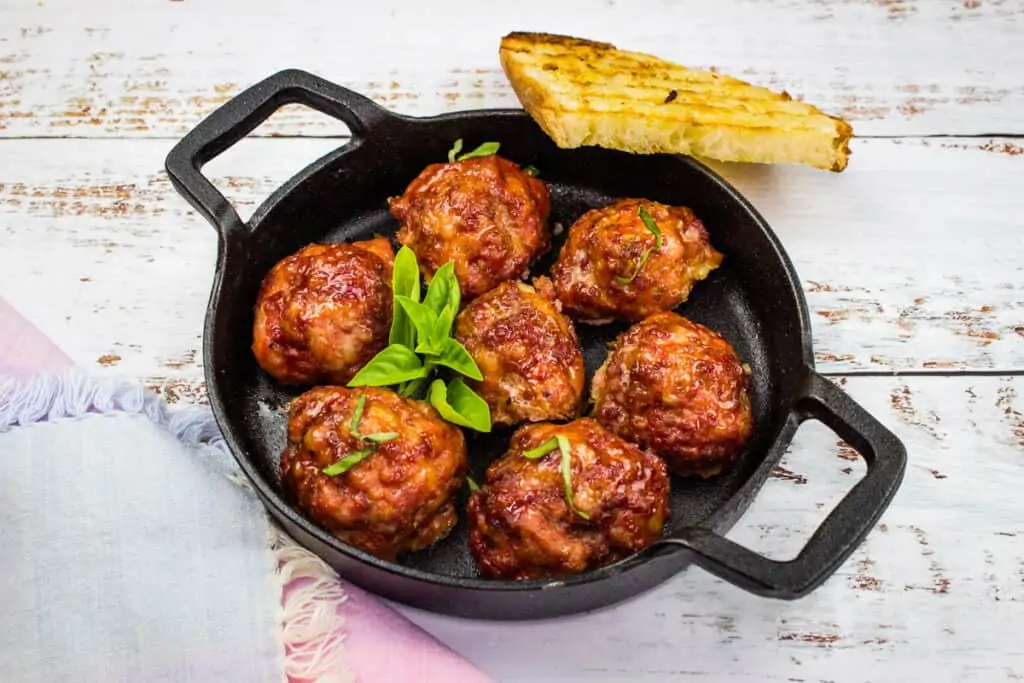
I use them in my Smoked Meatloaf with Bacon, Smoked Meatballs, and Best Pork Rub.
Garlic Powder
Here’s something that might surprise people: fresh garlic and garlic powder are not interchangeable, and garlic powder is not a lazy substitute for the real thing. They do different jobs. Fresh garlic is bright, sharp, and aromatic. Garlic powder is deeper, more evenly distributed, and more mellow; it penetrates dry rubs, spice blends, and seasoning mixes in a way that minced fresh garlic simply cannot.
You need both. Use fresh garlic when you want that punchy, upfront garlic flavor in sauces, sautés, and soups. Use garlic powder in dry rubs, spice blends, seasoning mixes for ground meat, and any situation where you want garlic flavor throughout rather than in one spot.
One important note: always buy garlic powder, never garlic salt. Garlic salt makes it nearly impossible to control your seasoning because you’re adding salt every time you add garlic flavor.
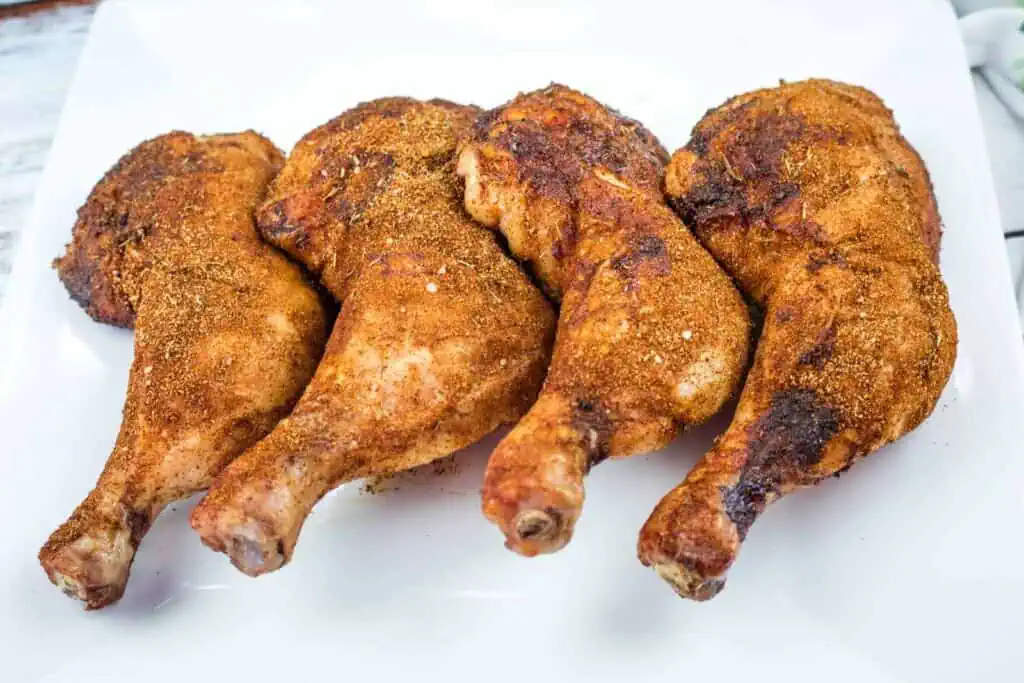
Try it in my Smoked Chicken Leg Quarters, Blackstone Smash Burgers, or John Wayne Casserole.
Italian Seasoning Blend
Italian seasoning is not glamorous, but it earns its spot on every beginner’s shelf. A good blend typically combines oregano, basil, thyme, rosemary, and marjoram into a single jar that works across pasta sauces, roasted vegetables, chicken, pizza, and more. It’s a reliable workhorse that removes the guesswork when you want Italian-adjacent flavor without pulling out five different herb jars.
Use it on chicken before roasting, stir it into tomato sauce, sprinkle it on pizza dough, toss it with roasted vegetables, or use it as part of a marinade for pork or lamb. It’s particularly useful when you don’t have fresh herbs on hand.
As you get more comfortable in the kitchen, you’ll start building these blends yourself from individual herbs; but in the meantime, a good Italian seasoning blend does the job well.
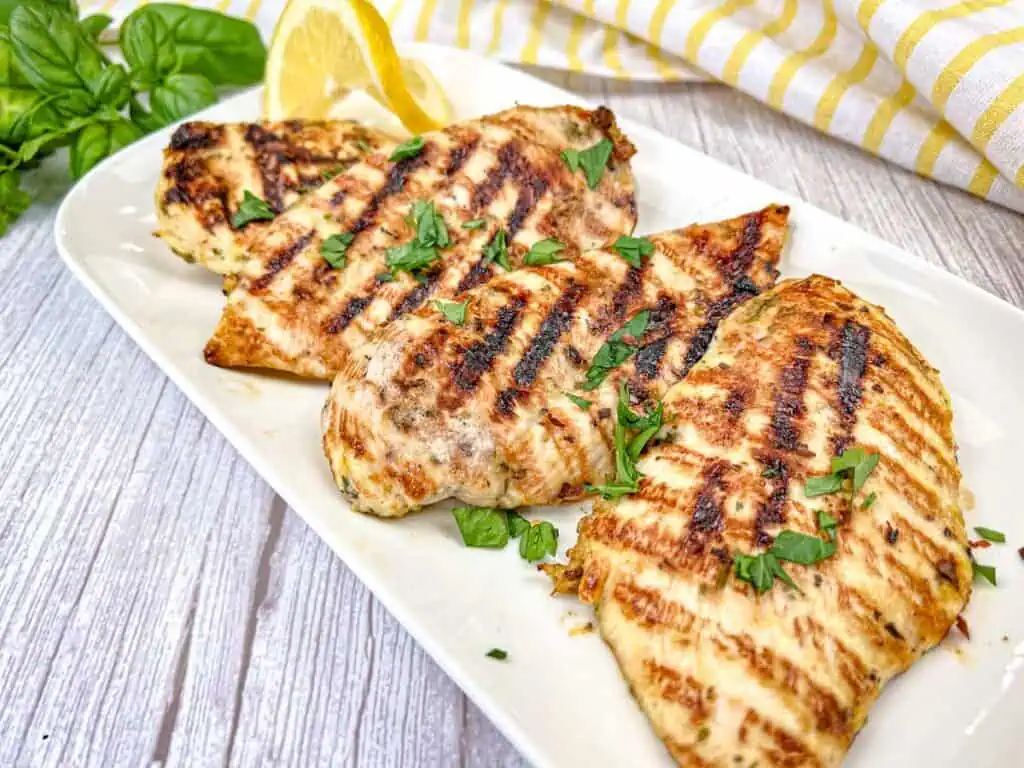
Try it in my Baked Feta Pasta, Grilled Lemon Herb Chicken, or Grilled Feta with Fresh Herbs.
Kosher Salt (Diamond Crystal)
This is the salt professional chefs use and the one I recommend to every home cook. The difference between kosher salt and table salt isn’t just flavor; it’s control. Kosher salt has larger, flakier crystals that don’t pack as densely as table salt, which means it’s significantly harder to accidentally oversalt your food. When you pinch kosher salt, you get a much more manageable amount than the same pinch of fine table salt.
Diamond Crystal specifically is the preferred brand among most chefs because it’s less dense than Morton’s kosher salt, giving you even more control. If you switch from Diamond Crystal to Morton’s without adjusting your amounts, your food will taste oversalted.
Use it for everything: seasoning meat, pasta water, finishing dishes, brines, and dry rubs. Buy the big box. You’ll use it.
I call it out specifically in my Smoked Chicken Leg Quarters, Homemade Pastrami, and Peameal Bacon.
Maggi Seasoning Sauce
Maggi is the secret ingredient that professional cooks have been using for over a century, that home cooks are just starting to discover. It’s a dark, concentrated liquid seasoning that adds umami — that deep, savory, “what is that?” flavor — to soups, stews, gravies, marinades, and sauces. It looks like soy sauce but it’s its own thing entirely, with a flavor that’s been described as a cross between celery, parsley, and fennel, made intensely savory.
A teaspoon or two in a pot of soup, a pan gravy, or a marinade adds a depth that’s nearly impossible to fake. Restaurant-quality soups and sauces often have this quality that home cooks struggle to replicate; Maggi is frequently the answer.
Important: Maggi is salty. Always add it before you finish seasoning with salt, taste, then decide if you need more. Start with less than you think you need.
I wrote a full guide on what it is and how to use it: What is Maggi Seasoning? Also try it in my Leftover Roast Beef Stew and Pasta e Fagioli Soup.
Old Bay
Old Bay is one of the most recognized spice blends in American cooking, and for good reason. The blend of celery salt, paprika, black and red pepper, and over a dozen other spices creates a flavor that’s uniquely savory, slightly spicy, and deeply aromatic. Most people reach for it on seafood — crab, shrimp, lobster — and it’s absolutely perfect there. But Old Bay is wildly underused everywhere else.
Try it on roasted potatoes, popcorn, grilled corn, fried chicken, deviled eggs, or anywhere you want a savory, slightly briny, complex seasoning that doesn’t fit neatly into any other category. It’s one of those spices that, once you start experimenting with it beyond seafood, you’ll find yourself constantly reaching for it.
One note: Old Bay contains salt, so taste before adding additional seasoning.
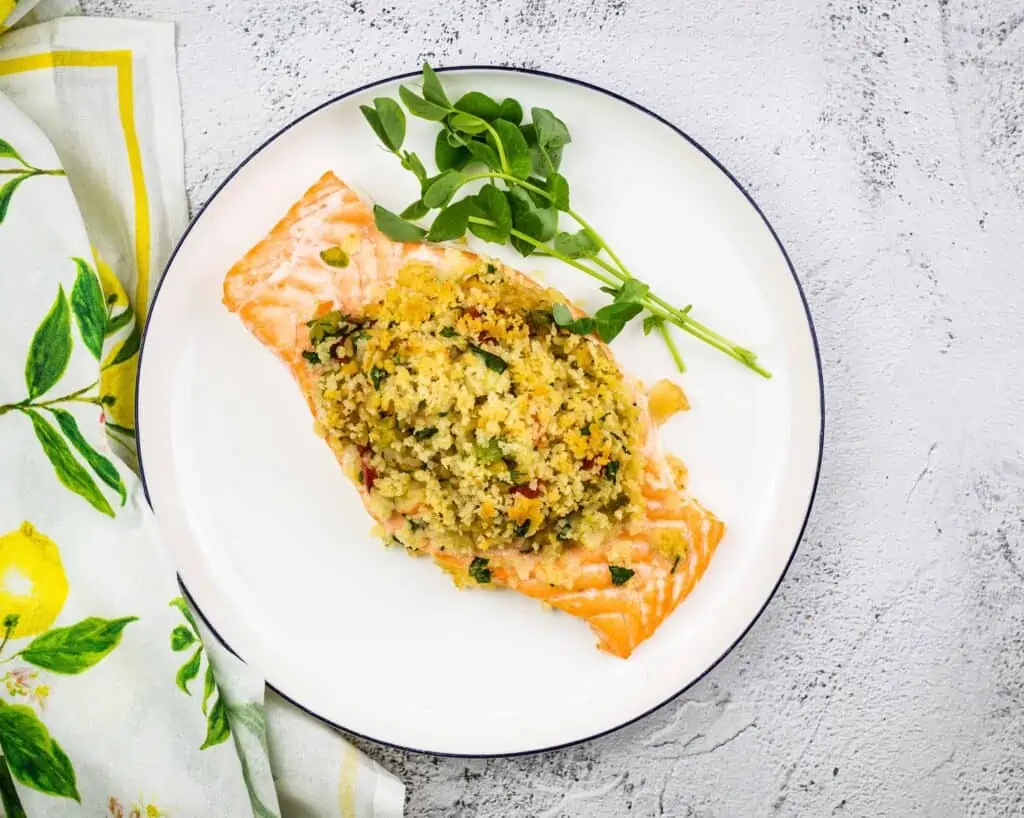
I use it in my Seafood Stuffed Salmon, Lobster Chowder, and Seafood Stuffed Bell Peppers.
Onion Powder
Like garlic powder, onion powder is not a lazy substitute for fresh onion; it’s a different ingredient that does a different job. Onion powder gives you smooth, evenly distributed onion flavor throughout a dish without any texture, moisture, or the sharpness of raw fresh onion. It’s essential in dry rubs, spice blends, and any seasoning for ground meat.
Use it in spice rubs for pork, chicken, and beef. Add it to burger and meatball mixes. Stir it into dips and creamy sauces where you want onion flavor without chunks. It’s also the reason certain store-bought products taste more “seasoned” than homemade; they’re using onion powder to get that even, consistent flavor.
As with garlic powder: always buy onion powder, not onion salt, so you can control your seasoning independently.
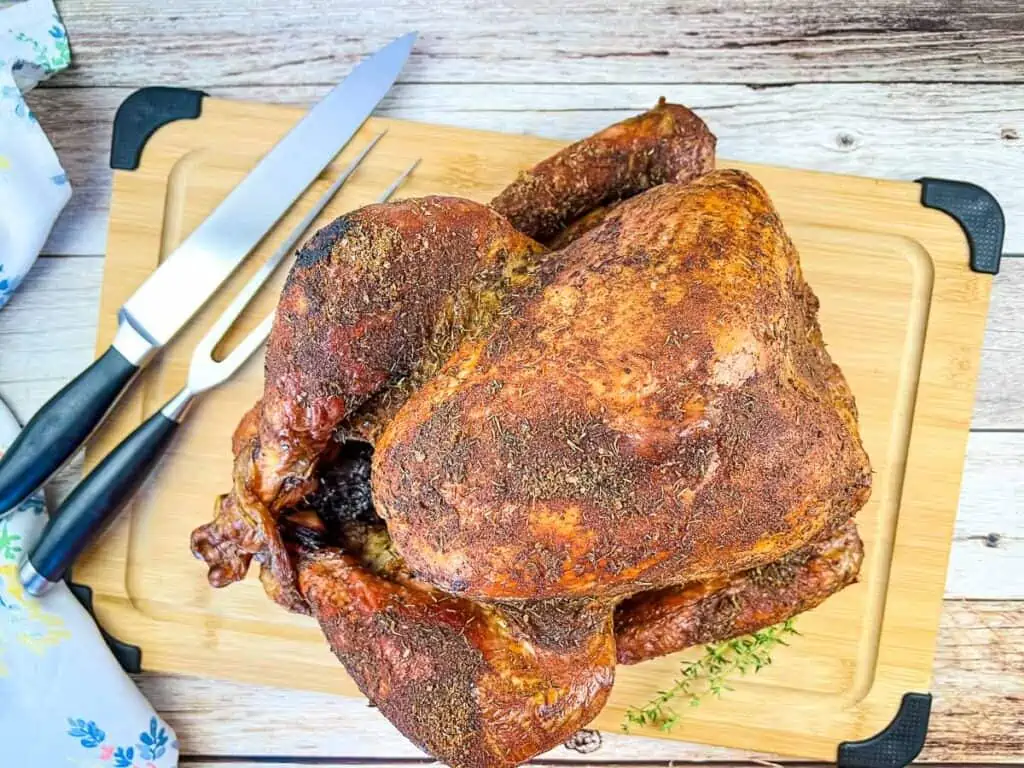
Try it in my Best Pork Rub, Traeger Smoked Turkey, or Blackstone Smash Burgers.
Oregano (Dried)
Oregano is one of the few herbs that is genuinely better dried than fresh in most cooking applications. The drying process concentrates the essential oils and actually intensifies the flavor. Fresh oregano can be slightly bitter and grassy in cooked applications; dried oregano becomes robust, earthy, and herbal in a way that works beautifully in tomato sauces, braises, and spice rubs.
One important distinction worth knowing: Mediterranean oregano and Mexican oregano are completely different plants with different flavor profiles, and they are not interchangeable. Mediterranean oregano (the one in this list) is milder, slightly floral, and earthy; it’s what goes in Italian and Greek cooking. Mexican oregano is a different plant entirely, stronger, more citrusy and pungent, and it holds up to bold flavors like chili, cumin, and dried chilies without getting lost. If you cook a lot of Mexican food, add a jar of Mexican oregano to your shelf alongside this one.
Use dried Mediterranean oregano in pasta sauces, pizza, Greek salad dressings, marinades for lamb and chicken, and any braised dish with tomatoes.
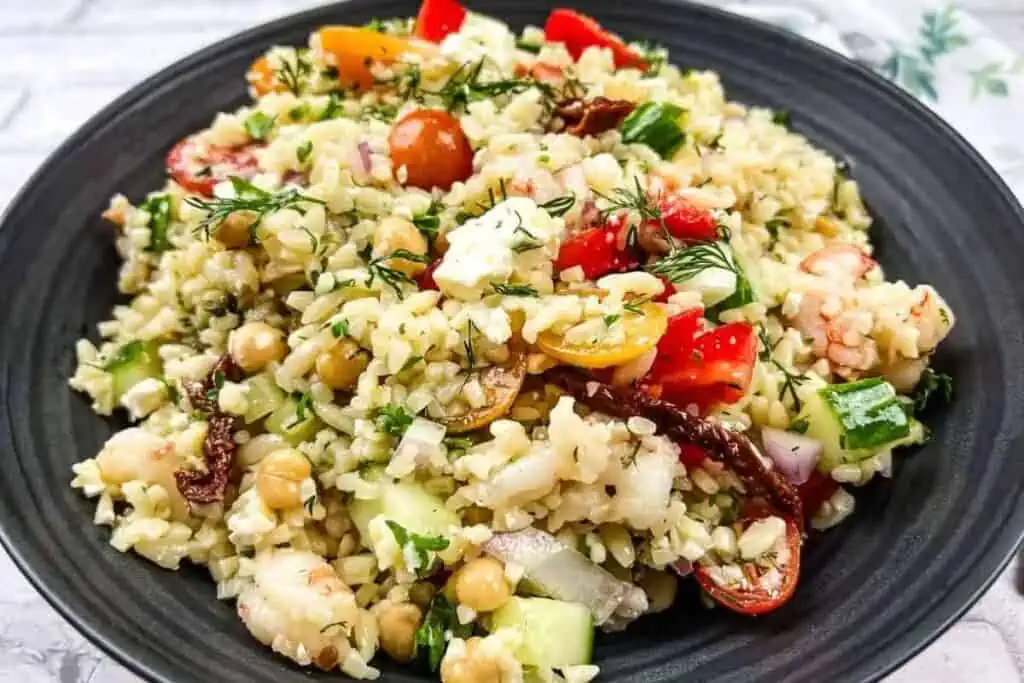
Try it in my Grilled Lemon Herb Chicken, Mediterranean Orzo and Shrimp Salad, or Instant Pot Charro Beans.
Red Pepper Flakes
Red pepper flakes are one of the most used ingredients in professional Italian cooking and one of the most underused in home kitchens. A pinch added to hot oil at the start of cooking infuses the entire dish with a gentle, background heat that doesn’t read as spicy; it just makes the dish taste more alive and more complex. This is a chef move that takes ten seconds and makes a real difference.
Use them in pasta dishes, roasted vegetables, pizza, braises, and soups. Add them early if you want the heat to mellow and integrate. Add them late if you want more of a direct punch. A light hand is usually better; you want warmth in the background, not heat as the dominant flavor.
Keep red pepper flakes on the counter near your stove, not buried in the spice cabinet. The easier they are to grab, the more you’ll use them.
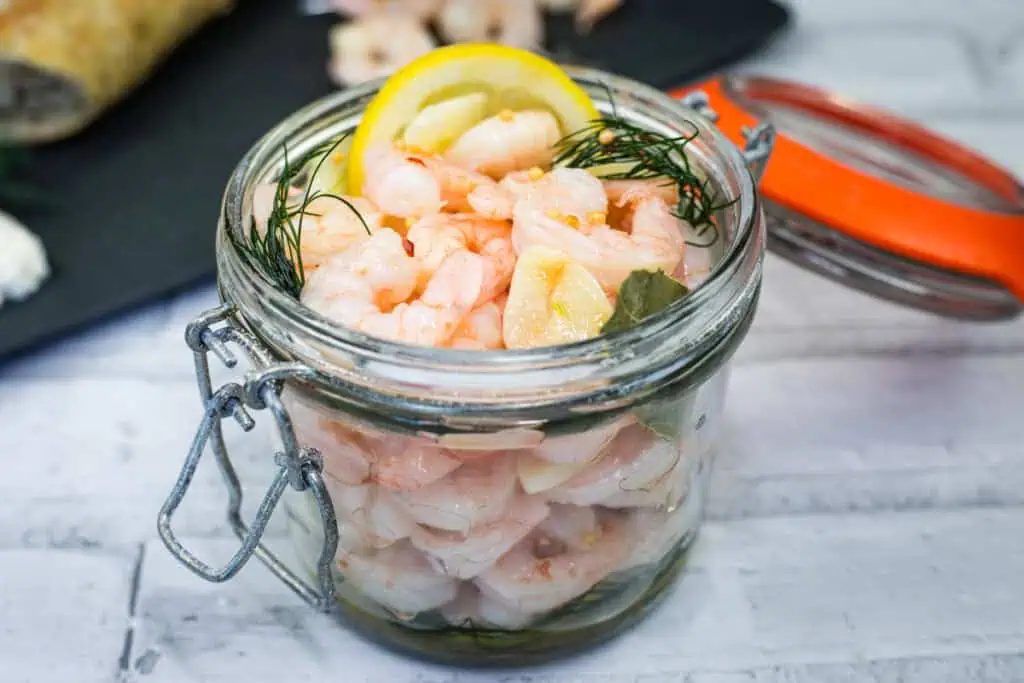
Try them in my Grilled Feta with Fresh Herbs, Southern Style Pickled Shrimp, or Slow Cooker Pork Chile Verde.
Smoked Paprika
If you only add one spice to your pantry today, make it this one. Smoked paprika is made from red peppers — typically pimiento peppers — that have been dried over oak wood before grinding. That smoking process is what gives it a deep, slightly sweet, almost meaty flavor that regular paprika completely lacks. It adds color, smokiness, and savory depth to everything from chicken to roasted vegetables to deviled eggs without you ever firing up a smoker.
Use it in dry rubs, stir it into soups and stews, add it to aioli and dips, sprinkle it on eggs, use it to season roasted potatoes. It works across cuisines — Spanish, Mexican, American BBQ, Middle Eastern — and it makes simple ingredients taste like they took a lot more effort than they did.
One critical rule: never add smoked paprika directly to hot oil or it will burn immediately and turn bitter. Always add it to liquid, to other dry ingredients, or at the end of cooking. Store it in a cool, dark spot and replace it every 6 months; paprika loses its punch faster than most spices, and old smoked paprika is basically just red dust.
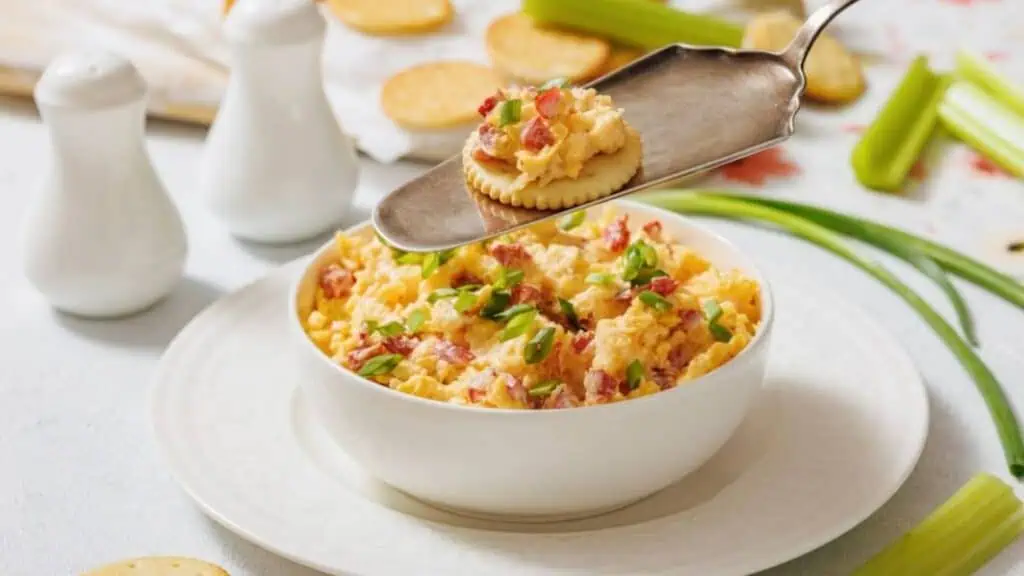
I wrote a full guide worth reading: What is Smoked Paprika? Then try it in my Fried Cabbage and Potatoes with Bacon, Homemade Pimento Cheese, or Southern Succotash.
Spicy Smoked Paprika
Everything smoked paprika does, but with heat. Spicy smoked paprika — sometimes labeled hot smoked paprika or pimentón picante — has the same deep, oak-smoked flavor as regular smoked paprika with a genuine kick underneath. It’s the version that gives dry rubs real backbone and makes a dish taste like it came off a smoker even when it didn’t.
Use it anywhere you want smoky depth plus heat: chicken rubs, chili, spicy aioli, roasted vegetables, egg dishes. It’s also a great way to add heat to a dish with more complexity than straight cayenne, because you’re getting smoke, sweetness, and heat all at once.
The same rules apply as regular smoked paprika: never add it to hot oil, store it away from heat and light, and replace it regularly.
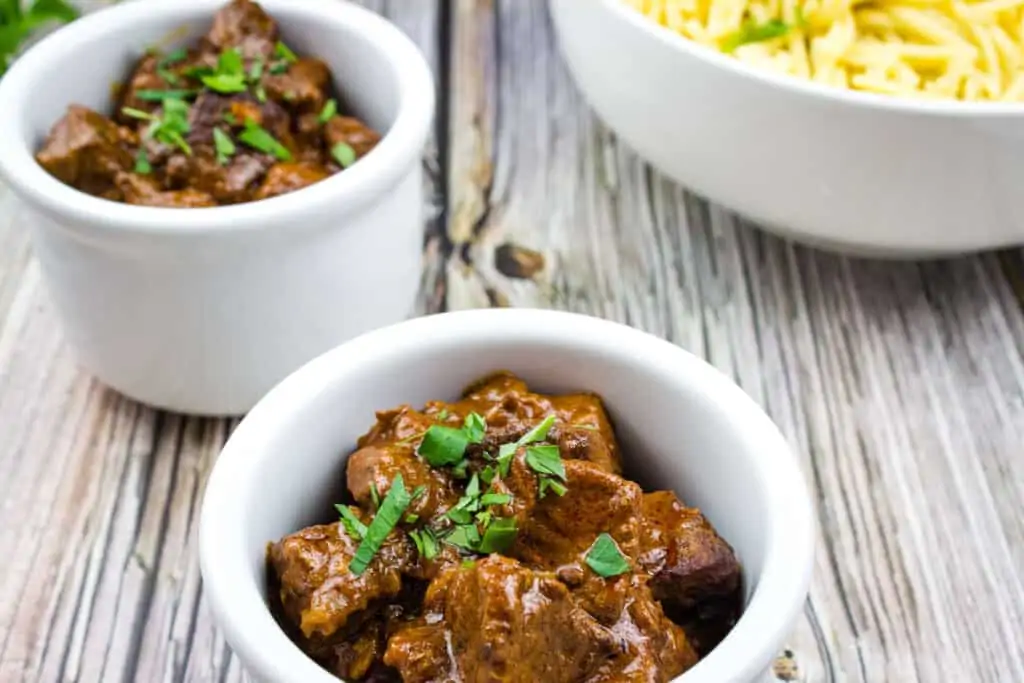
I specifically call for it in my Smoked Chicken Leg Quarters; it’s what gives the rub its backbone. Also, try it in Over The Top Chili and Authentic Hungarian Goulash.
Thyme (Dried)
Thyme is one of the most versatile herbs in any kitchen and one that works in almost every savory application: roasted chicken, soups, stews, braised meats, pasta sauces, egg dishes. When you’re not sure what herb to reach for, thyme is almost always a safe and correct answer.
One important distinction: buy dried thyme leaves, not ground thyme. Ground thyme is over-processed and has a dusty, slightly medicinal quality that bears little resemblance to the real thing. Dried leaf thyme still has the essential oils intact and releases flavor properly when it hits heat.
Before adding dried thyme to a dish, rub it briefly between your fingers. That slight crushing action breaks the leaves and releases the oils, giving you noticeably more flavor from the same amount of herb. It takes two seconds and makes a real difference.
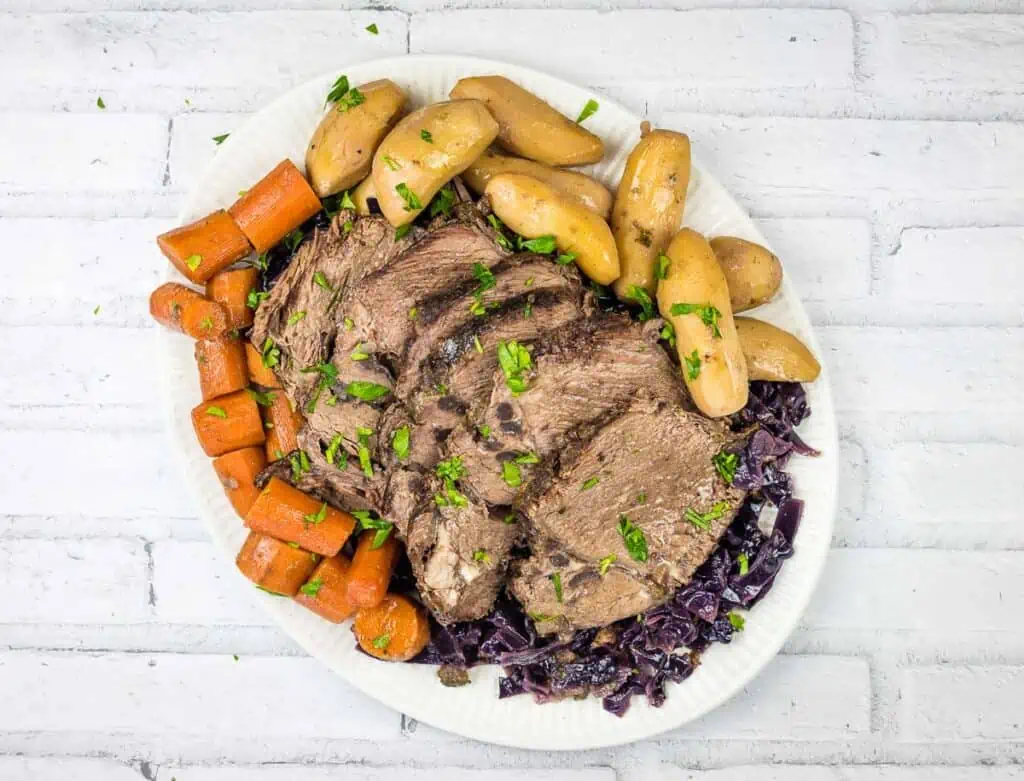
Try it in my Grilled Lemon Herb Chicken, Cream of Onion Soup, or Slow Cooker German Pot Roast.
That’s the list. Nineteen spices that will take you from a bare pantry to a kitchen that can actually cook. You don’t have to buy them all at once; start with the ones that match what you already cook, and build from there. The goal is a cabinet you actually use, not one that looks impressive and smells like nothing.
Have questions about any of these or want to know what to reach for in a specific recipe? Drop it in the comments; I read every one.