What is Smoked Paprika? Everything You Need to Know (Plus How to Use It!)
If you’ve ever wondered why a recipe tastes like it spent the day on the smoker when it never left the stovetop, the answer is probably smoked paprika. It’s one of those spices that quietly does a LOT of work in the background, and once you start using it, you’ll find yourself reaching for it constantly.
This post may contain affiliate link(s). As an Amazon Associate, I earn from qualifying purchases. See Disclosure.
Smoked paprika is one of my favorite pantry staples. It adds that deep, smoky, slightly sweet flavor to dishes without you needing to fire up the smoker, and a little bit goes a long way. Whether you’re seasoning a pork shoulder, stirring up a pot of chili, or whisking together a quick aioli, smoked paprika brings serious flavor with zero fuss.
Fire It Up: 33 Recipes for Your Smoker
Bold, Texas-style BBQ favorites — tested and ready for your smoker. This digital recipe eBook features recipes like:
These are digital products. You'll receive instant download link/s after purchase.
NEW!


* Smoked Leg of Lamb
* Smoked Peach-Chipotle Wings
* Smoked New York Strip Roast
BUNDLE AND SAVE
The bundle includes 50+ Smoker Recipes and (New) Fire It Up! 33 Recipes for Your Smoker digital recipe eBooks.
In this post, I’m breaking down everything you need to know about smoked paprika: what it is, where it comes from, how to use it, and a whole bunch of my favorite recipes where it shines. Let’s dig in!
What is Smoked Paprika?
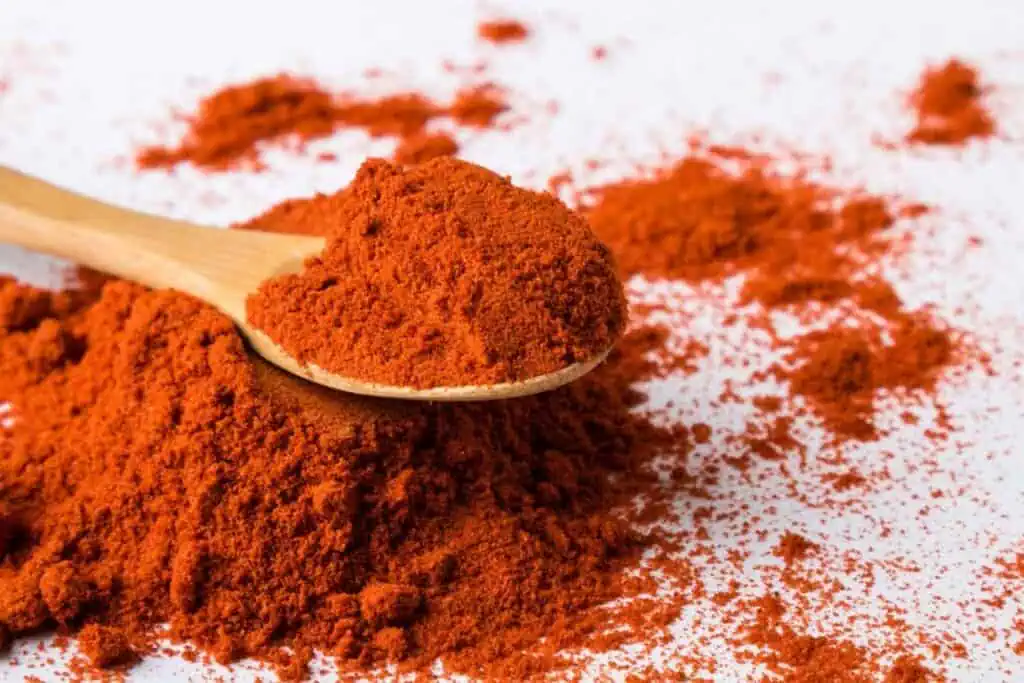
Smoked paprika is a ground spice made from red peppers (typically pimiento or sweet red peppers) that have been smoke-dried over oak wood before being ground into a fine powder. That smoking process is what sets it apart from regular paprika. Instead of just being dried, the peppers slowly soak up wood smoke, which infuses them with a deep, savory, almost meaty flavor.
You’ll often see it labeled as pimentón or Spanish paprika at the grocery store. It hails from Spain – specifically the La Vera region in western Spain – where it’s been made the same traditional way for centuries.
The color is a gorgeous, deep brick red, and it smells absolutely incredible the moment you open the jar. If you’ve ever pulled the lid off and been hit with that smoky, earthy aroma, you know exactly what I mean.
Smoked Paprika vs. Regular Paprika vs. Hot Paprika
Not all paprika is the same! Here’s the quick rundown:
Regular (sweet) paprika has a mild, sweet pepper flavor and a vibrant red color. It’s mostly used for color and a gentle pepper flavor; think deviled eggs and Hungarian goulash. There’s no heat and no smoke.
Smoked paprika has that signature smoky, slightly sweet flavor with a less vibrant, more brick-red color. The smoke flavor varies depending on how long the peppers were smoked. You may find this labeled as Spanish paprika or pimentón.
Hot paprika is the spicy one; authentic Hungarian hot paprika has a real kick to it. It’s made from spicy peppers and is often labeled “hot Hungarian paprika.”
You can read more about how I use all three in my Instant Pot Chicken Paprikash, a recipe my Oma taught me that uses regular, smoked AND hot paprika to layer in all that flavor.
Sweet vs. Spicy Smoked Paprika
To make things just a little more confusing, smoked paprika comes in different heat levels too! In Spain, you’ll find:
- Pimentón Dulce – sweet smoked paprika (no heat)
- Pimentón Agridulce – bittersweet smoked paprika (very mild heat)
- Pimentón Picante – hot smoked paprika (some heat)
For most of my recipes, sweet smoked paprika is what you want. It’s the most versatile and works beautifully in pretty much everything. If you love a little heat, hot smoked paprika is a great upgrade for things like rubs, chili, and wings.
What Does Smoked Paprika Taste Like?
Smoked paprika has a flavor that’s hard to describe until you try it. It’s:
- Smoky – like food that’s spent hours on the smoker
- Slightly sweet – with a gentle pepper flavor
- Earthy and rich – almost meaty, which is why it’s so popular in vegetarian cooking
- Deep and warm – without being spicy (unless you grab the hot version)
It adds a “low-and-slow cooked” quality to dishes that come together in 20 minutes flat. Honestly, it’s kind of magical.
How to Use Smoked Paprika (and One Important Tip!)
Smoked paprika is incredibly versatile, but there’s ONE important thing you need to know: paprika burns easily. Unlike spices that need to be toasted in hot oil to bring out their flavor, paprika should never be added to hot oil on its own; it can burn and turn bitter and acrid in seconds.
Instead, always add paprika to liquid, or add it just before adding broth, tomato sauce, or another wet ingredient. Trust me on this one! It’s the difference between a deeply flavorful dish and one with a weird, burnt undertone.
Here are my favorite ways to use smoked paprika:
In Dry Rubs and Seasonings
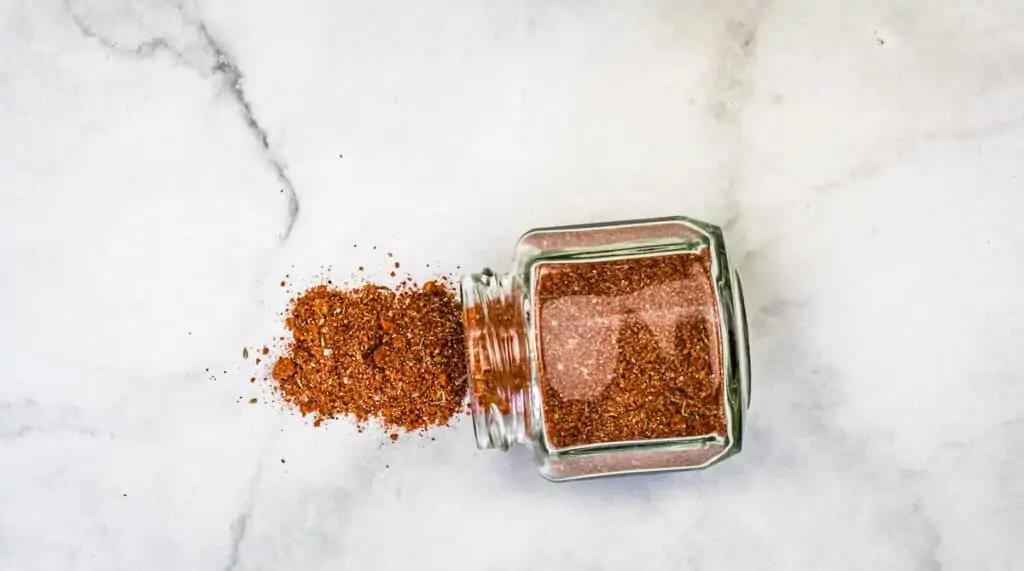
Smoked paprika is a backbone ingredient in pretty much every great BBQ rub. It adds that smoky depth that makes you think the meat spent way longer on the smoker than it actually did. My Best Pork Rub uses both sweet AND smoked paprika for the perfect balance of color, sweetness, and smoke. It works on grilled, smoked, baked, or fried pork – and it’s great on chicken too!
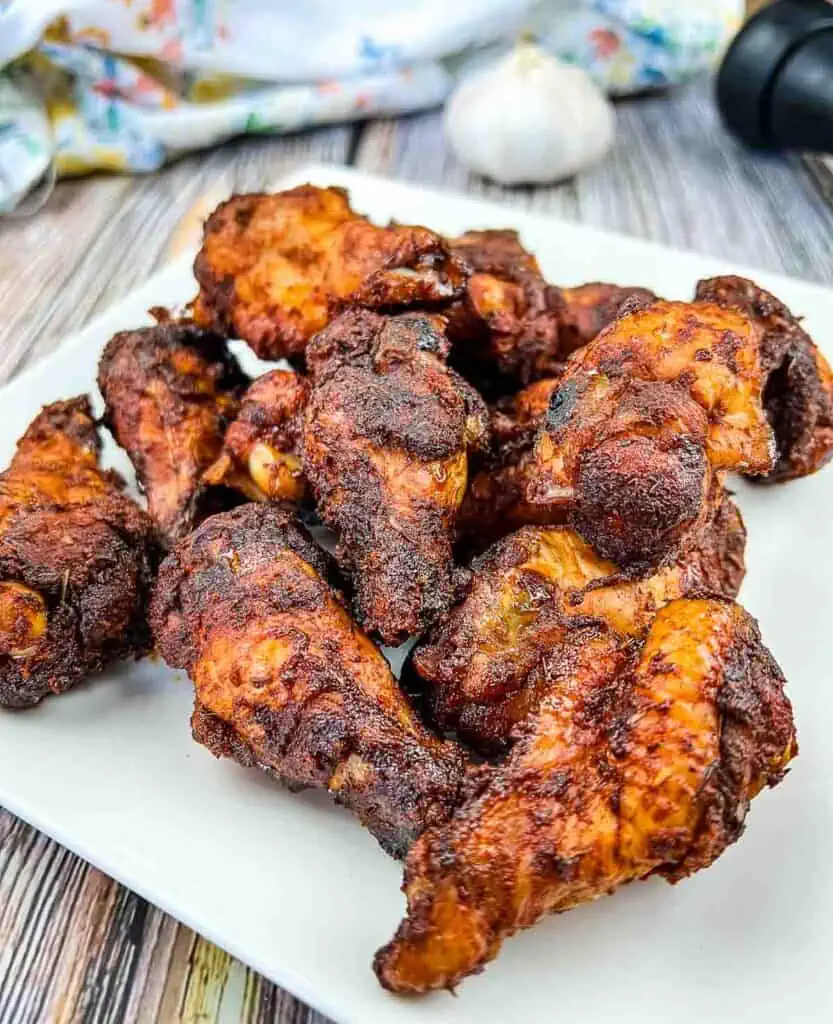
It also stars in my Smoked Dry Rubbed Wings, where the smoky paprika clings to the chicken skin and gets even more intense once that wood-fired smoke hits it.
In Soups, Stews, and Chili
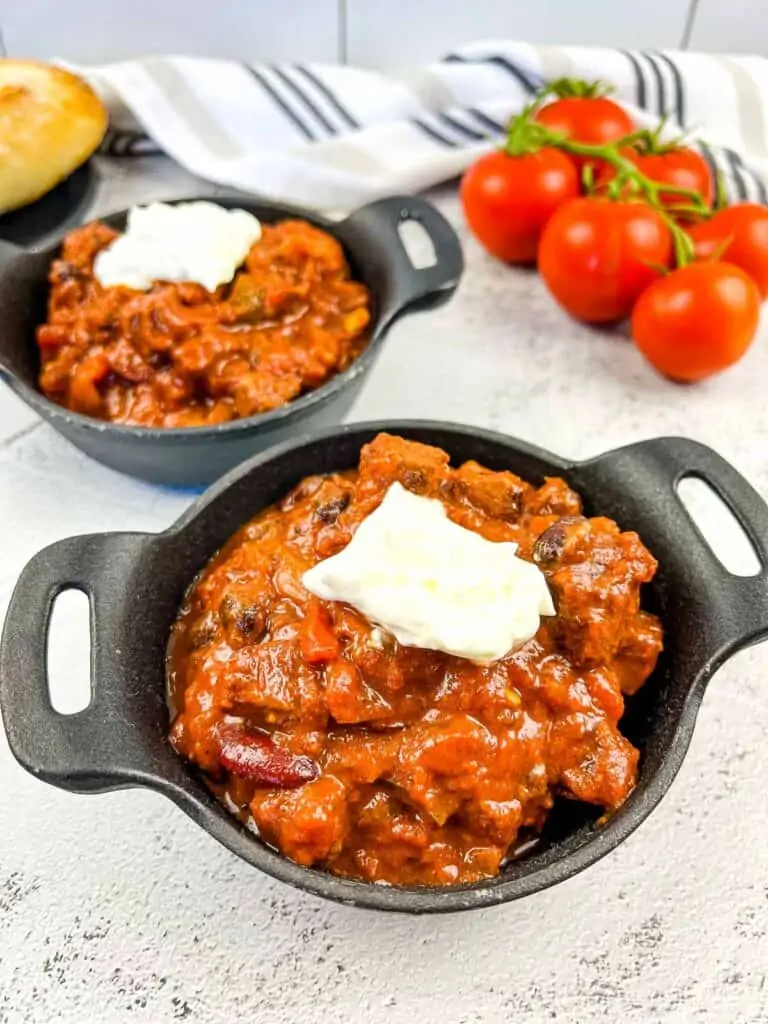
This is where smoked paprika really shines. A teaspoon or two stirred into a pot of chili gives you that “this took all day” flavor without any of the work. My Smoked Brisket Chili leans hard into smoked paprika for double the smoky goodness, and my Over The Top Chili uses it to amplify the smoke flavor that comes from cooking the chili on the Traeger.
In Vegetable Sides
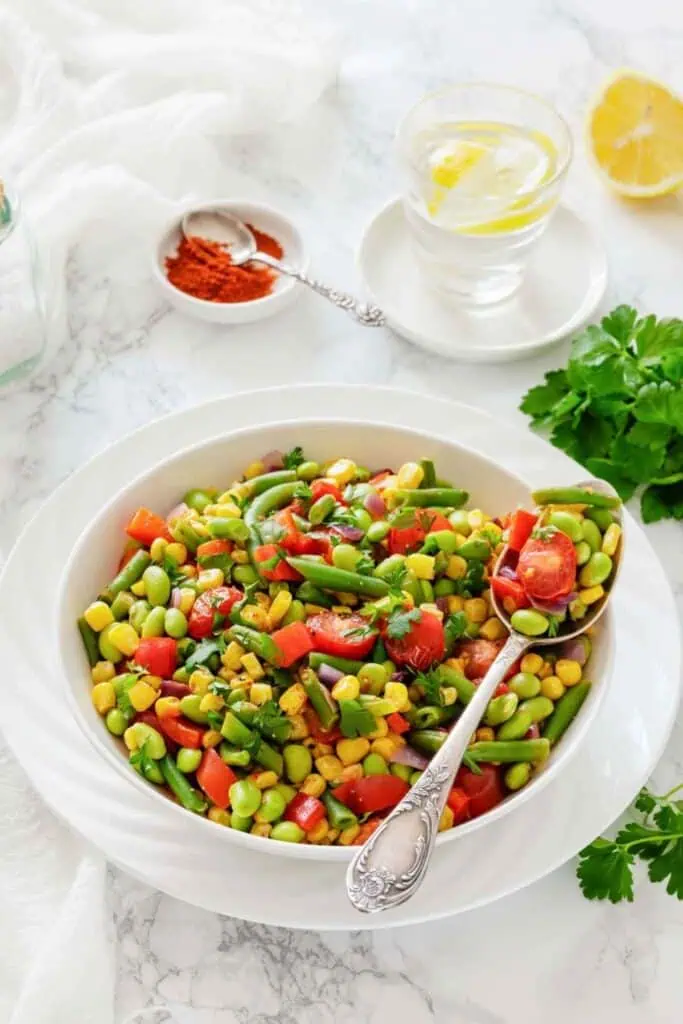
This is where smoked paprika earns its keep in my kitchen. It transforms simple vegetables into something memorable. My Southern Succotash uses smoked paprika to bring depth and warmth to sweet corn, lima beans, and cherry tomatoes. The result is a side that tastes like you put a lot more effort into it than you actually did.
It also stars in the chipotle compound butter on my Smoked Sweet Potatoes and is sweet, smoky, and a little spicy. SO good!
In Sauces, Dips, and Dressings
Whisk a pinch of smoked paprika into mayo, sour cream, or Greek yogurt and you’ve got an instant flavor upgrade for sandwiches, veggies, and fries. It’s also fantastic in:
- Aioli for dipping
- Ranch dressing (turns it into a smoky ranch!)
- Cream cheese-based dips
- Vinaigrettes
- Compound butters
As a Finishing Sprinkle
Sometimes the simplest move is the best. A light dusting of smoked paprika over deviled eggs, hummus, roasted vegetables, or even popcorn adds an instant pop of color AND flavor. Just go easy; a little goes a long way.
What Foods Pair Best with Smoked Paprika?
Smoked paprika is one of the most versatile spices in your cabinet. It plays beautifully with:
- Pork – ribs, tenderloin, pulled pork, and chops
- Chicken – wings, thighs, roasted whole chickens
- Beef – brisket, chili, burgers, meatloaf
- Beans and lentils – adds that meaty depth to vegetarian dishes
- Potatoes – roasted, mashed, fried, you name it
- Eggs – deviled eggs, frittatas, shakshuka-style dishes
- Seafood – especially shrimp and salmon
- Tomato-based dishes – soups, stews, sauces, salsas
It’s particularly great in vegetarian cooking because it adds that meaty, savory quality that vegetables sometimes lack on their own.
How to Buy and Store Smoked Paprika
When you’re shopping for smoked paprika, look for:
- Spanish-made paprika (pimentón) for the most authentic flavor
- A deep, brick-red color – pale or orange-ish paprika has likely lost its potency
- A strong, smoky aroma when you open the jar – if it doesn’t smell smoky, it won’t taste smoky
Some of my favorite brands include La Chinata, La Dalia, and Spice Islands. You can usually find them at well-stocked grocery stores, specialty shops, or online.
Once you’ve got it home, store smoked paprika in an airtight container in a cool, dark cupboard away from the stove and direct sunlight. Like all spices, it loses its flavor over time, so plan to use it within about 6 months for the best flavor. After that, it’s still safe to use, but the smoky punch starts to fade.
If you find yourself reaching for it a lot (and you will!), buy a smaller jar and replace it more often rather than buying a giant tub that’ll lose its mojo before you finish it.
Can You Substitute Smoked Paprika?
Honestly, smoked paprika is hard to substitute because that smoky flavor is so distinctive. But if you’re truly in a pinch, here are some options:
- Chipotle powder – has a similar smoky quality (with more heat). Use about half as much.
- Regular paprika + a tiny pinch of liquid smoke – not perfect, but it works.
- Ancho chili powder – has a similar earthy quality but lacks that smoke flavor.
But really, just grab a jar of smoked paprika the next time you’re at the store. Once you have it, you’ll wonder how you ever lived without it.
CWYL Recipes That Use Smoked Paprika
Looking for inspiration? Here are some of my favorite CWYL recipes that put smoked paprika to work:
- Instant Pot Chicken Paprikash – a creamy, meaty classic with all three kinds of paprika
- Best Pork Rub – my go-to for everything pork
- Southern Succotash – a quick, colorful veggie side
- Smoked Brisket Chili – meaty, smoky, and so good
- Over The Top Chili – a Traeger chili that’s seriously fun to make
- Smoked Dry Rubbed Wings – wings with a flavor-packed dry rub
- Smoked Sweet Potatoes with Chipotle Butter – sweet, spicy, and smoky
The Bottom Line on Smoked Paprika
Smoked paprika is one of those spices that transforms a dish from good to “wait, what did you put in this?” Once you’ve got a jar in your pantry, you’ll find yourself sprinkling it on everything from eggs to popcorn to roasted potatoes. It’s smoky, it’s sweet, it’s earthy, and it pulls double-duty in just about any savory dish.
So grab a jar, give it a try, and let me know in the comments what you make with it! And if you’ve got a favorite smoked paprika recipe of your own, I’d love to hear about it!
Frequently Asked Questions
Sweet smoked paprika (pimentón dulce) is not spicy at all; it’s smoky and slightly sweet. Hot smoked paprika (pimentón picante) does have some heat to it, but it’s still milder than cayenne or hot Hungarian paprika.
You can, but the flavor will be different! Smoked paprika adds that distinctive smoky note, while regular paprika is more mild and sweet. Use smoked paprika when you want that smoky depth, and regular paprika when you just want color and gentle pepper flavor.
Yes! Smoked paprika is often labeled as “Spanish paprika” or “pimentón” because it originated in Spain, where the peppers are traditionally smoke-dried over oak wood.
Most likely, it got burned. Paprika burns very easily in hot oil and turns bitter quickly. Always add paprika to liquid (broth, sauce, etc.) or add it at the end of cooking to keep that flavor sweet and smoky.
For best flavor, use it within 6 months. After that, it’s still safe to use but loses its smoky punch. Store it in an airtight container in a cool, dark cupboard.