
Chocolate Linzer Cookies (with Cream Cheese Frosting Filling)
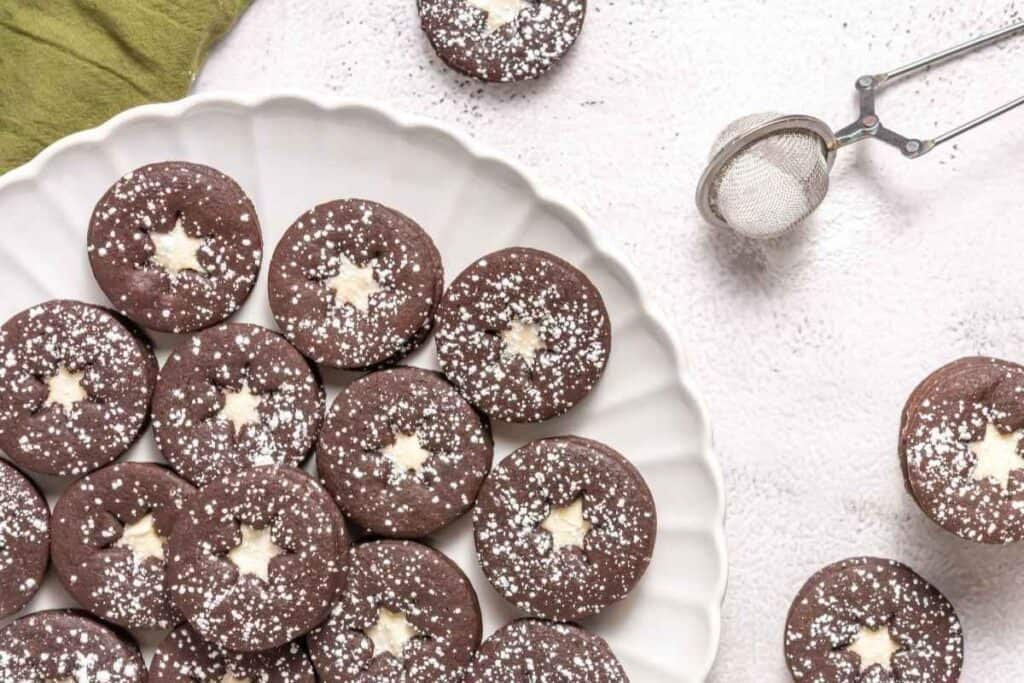
These are my holiday cookie tray anchor. Chocolate Linzer cookies look like they came from a European bakery, but the dough is straightforward, and the cream cheese frosting filling is one I’ve been making for years. They’re the cookie people ask about first.
This post may contain affiliate link(s). As an Amazon Associate, I earn from qualifying purchases. See Disclosure.
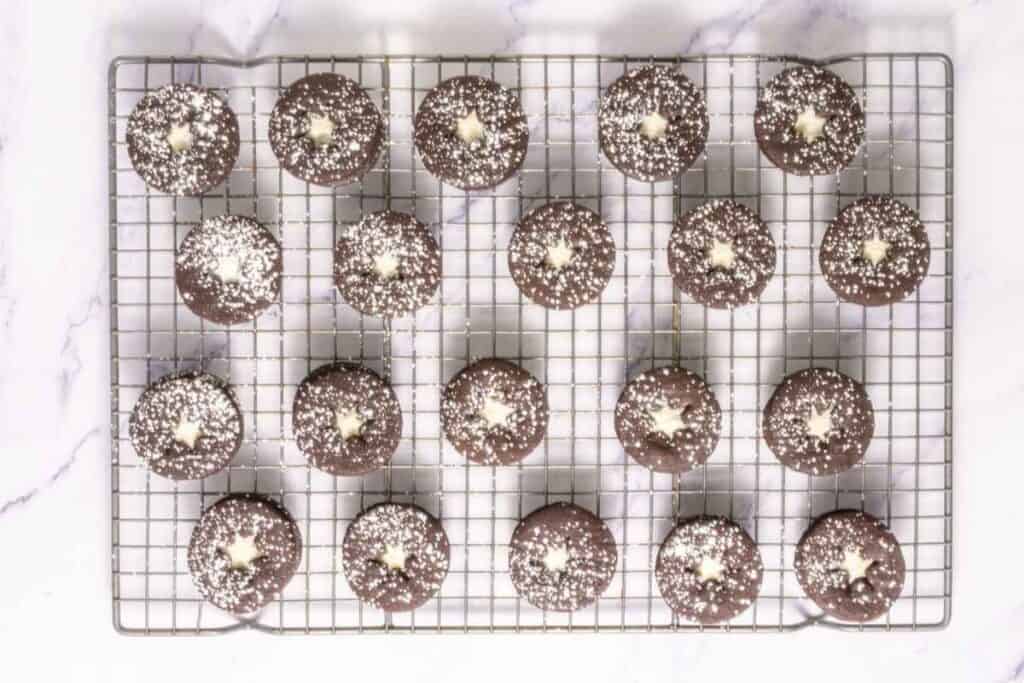
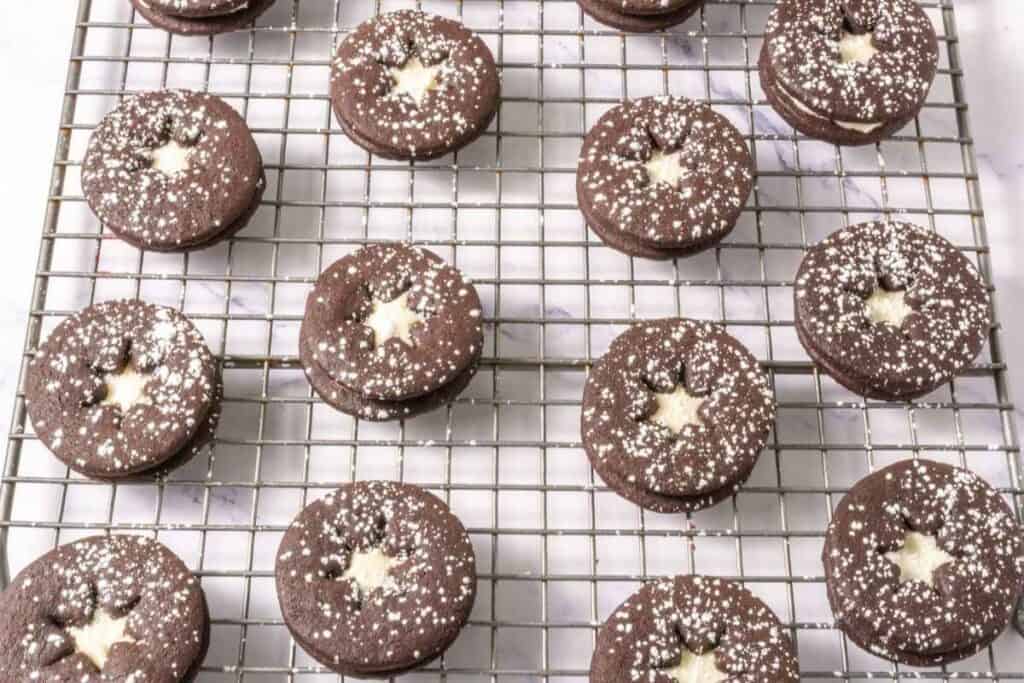
The espresso powder in the dough is the move that separates these from a standard chocolate shortbread. It doesn’t make them taste like coffee; it deepens the chocolate and gives the cookie a more complex finish. The little star cutout on top lets the white frosting peek through, which is most of why these look so impressive on a tray.


42 Blue Ribbon Winning
Cookie Recipes

If your cookie jar is looking a little empty, I've got just the fix. My cookie recipe eBook is packed with approachable, reliable recipes made for real-life baking (no stress, just sweet success)! And, like all my recipes, NO AI. Snag your copy now!
Featuring recipes like:
- Chocolate Overload Cookies
- Salted Caramel Brown Butter Snickerdoodles
- Strawberry Shortcake Cookies
- My famous Pink Velvet Crumbl Copycats
- And so many more!
This is a digital product. You'll receive an instant download link after purchase.
Chef Jenn’s Take on Chocolate Linzer Cookies
The biggest problem with most chocolate shortbread-style cookies is that they go soft within hours of assembly. You sandwich them with filling, and by the next morning, the cookie has absorbed moisture from the frosting and lost its snap. Most recipes don’t address it.
The ten-minute freezer step before baking is what keeps these cookies from spreading and going limp. Cold dough holds its shape in the oven, which means the edges stay defined and the texture stays firm enough to hold up against the cream cheese filling. I’d also recommend chilling the cut cookies rather than the whole dough slab, as it is faster and more even.
For the filling, use full-fat cream cheese and butter that are genuinely softened, not slightly-chilled-from-the-counter. If there’s any cold left in either, you’ll get lumps that don’t cream out, no matter how long you mix.
What You’ll Love About Chocolate Linzer Cookies
- The espresso powder in the dough isn’t a gimmick; it amplifies the chocolate without adding any coffee flavor, and you can taste the difference in the finished cookie.
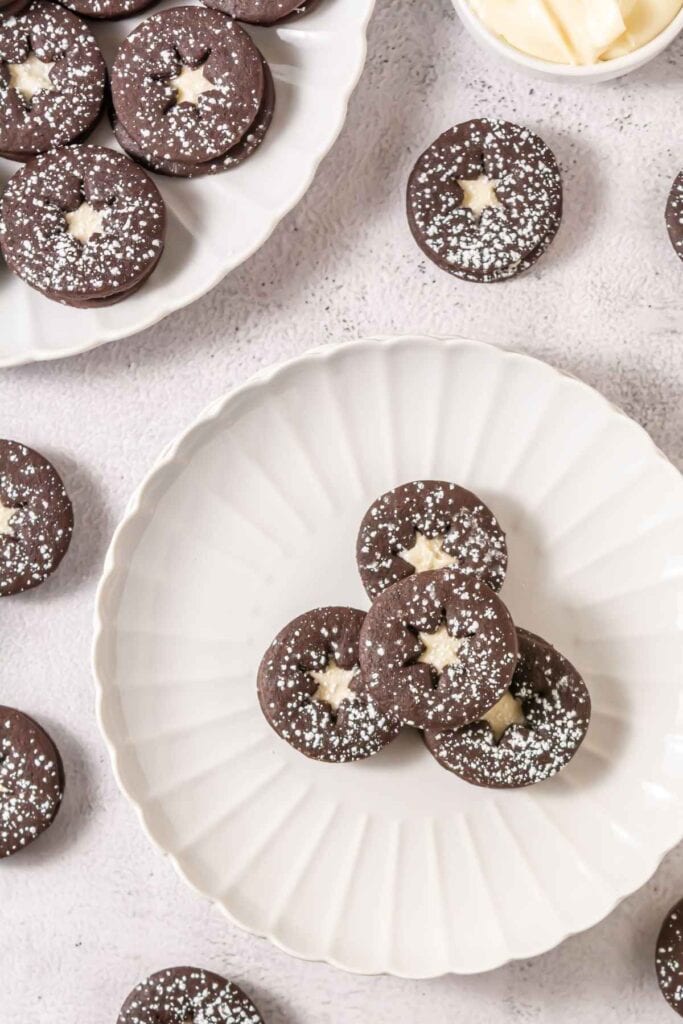
- The cream cheese frosting is thick enough to hold its shape between the layers without squeezing out the sides when you pick the cookie up.
- These look more involved than they are. The double-cutter technique (solid round plus star cutout) takes maybe five extra minutes and is what makes the whole tray look bakery-level.
Ingredients
For the Cookie Base
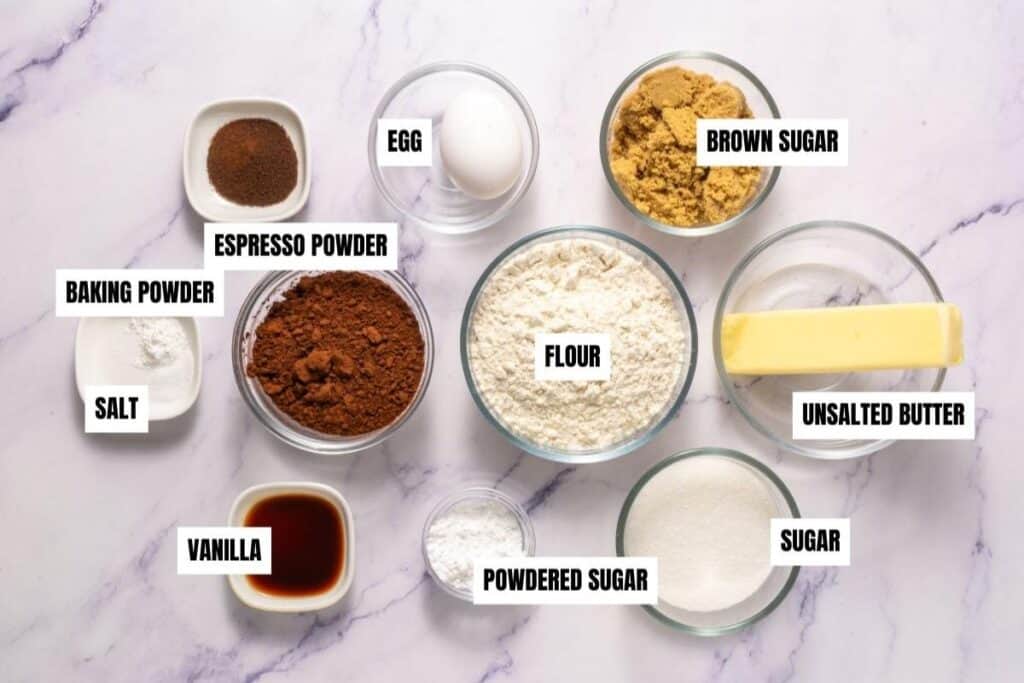
- Unsalted butter – Softened to room temperature. Not melted. Melted butter gives you a dense, flat cookie instead of a tender one that holds its cut edges.
- Granulated sugar and brown sugar – Use both as written. The brown sugar adds a slight chew and a deeper flavor that balances the chocolate.
- Egg – Large, room temperature. Cold eggs can seize the butter in the mixing stage.
- Vanilla extract – Real, not imitation. The flavor registers in a dough this simple.
- All-purpose flour – Any standard brand. Don’t sub in bread flour or cake flour; either will change the texture significantly.
- Instant espresso powder – Non-negotiable for flavor. If you don’t have it, use an equal amount of instant coffee powder. The chocolate won’t taste as deep without it.
- Salt – Fine salt, measured level.
- Baking powder – Check that it’s fresh. Old baking powder won’t give you the slight lift that keeps these from being too dense.
- Powdered sugar – For dusting the finished cookies. A small fine-mesh sieve gives you the cleanest finish.
For the Cream Cheese Frosting Filling
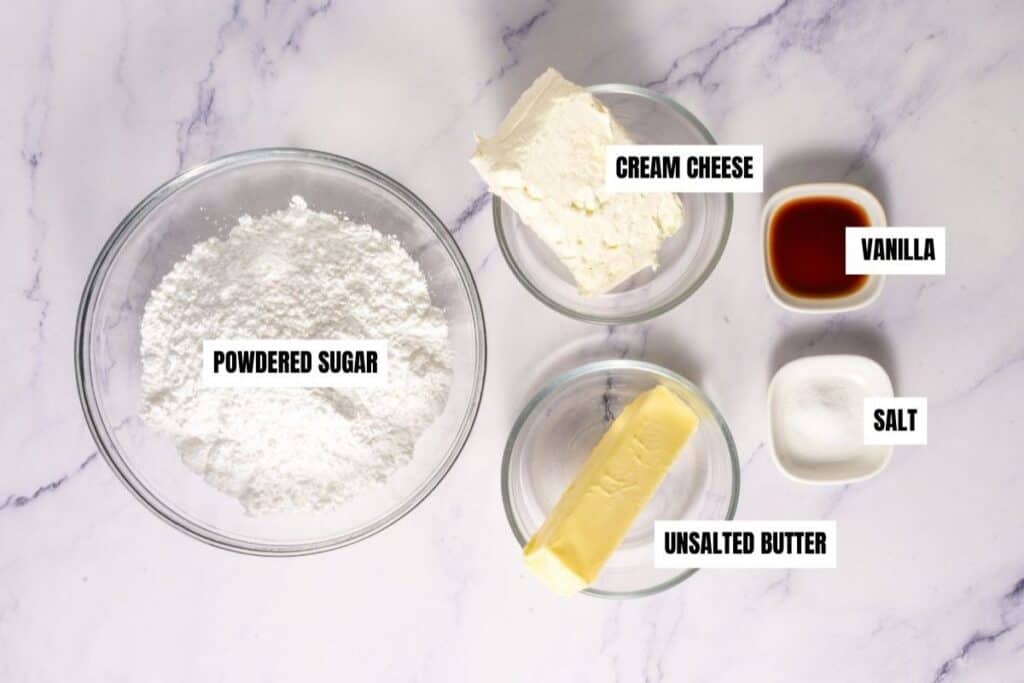
- Unsalted butter – Softened. Same rule as the dough: room temperature, not cold, or the filling won’t get smooth.
- Cream cheese – Full-fat block-style, softened. Don’t use the whipped kind from a tub. It’s too loose and the filling won’t hold its shape between the cookie layers.
- Powdered sugar – Sift it if your bag has any lumps. Lumpy powdered sugar means lumpy frosting.
- Salt – Balances the sweetness. Don’t skip it.
- Vanilla extract – Real extract, same reason as above.
How to Make Chocolate Linzer Cookies
Scroll down for the full recipe card with exact measurements and printable instructions.
Preheat the oven to 350°F and line your baking sheets with parchment. Set them aside while you make the dough.
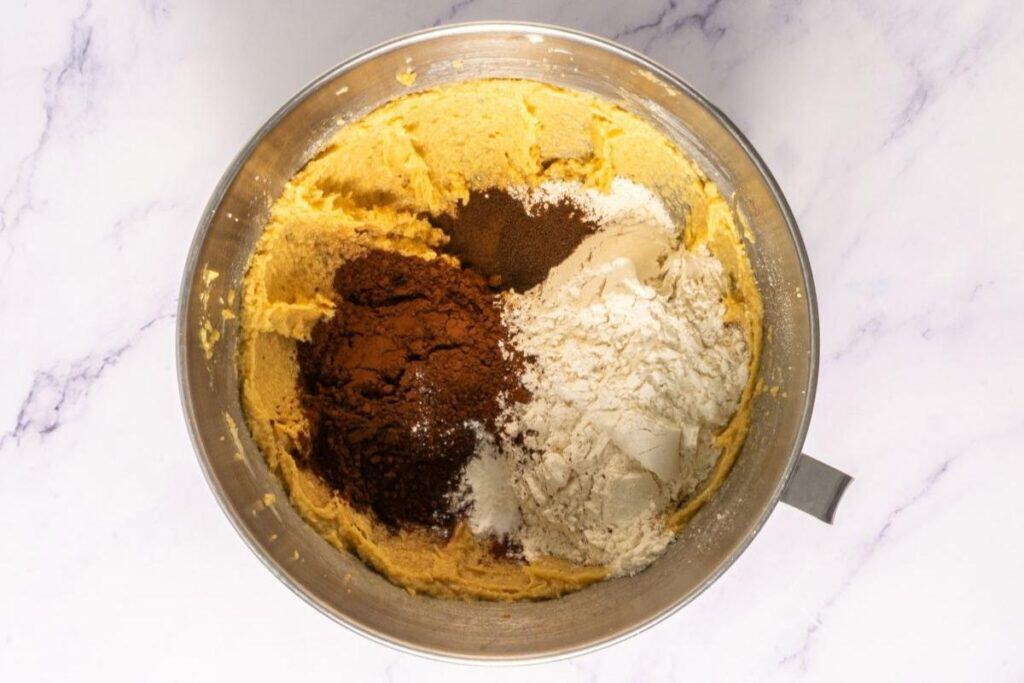
In the bowl of a stand mixer fitted with the paddle attachment, cream the softened butter with both sugars until smooth. Add the egg and vanilla, and mix until fully combined. Add the flour, espresso powder, salt, and baking powder all at once. Mix thoroughly, scraping down the sides often; the dough will be stiff and dark.
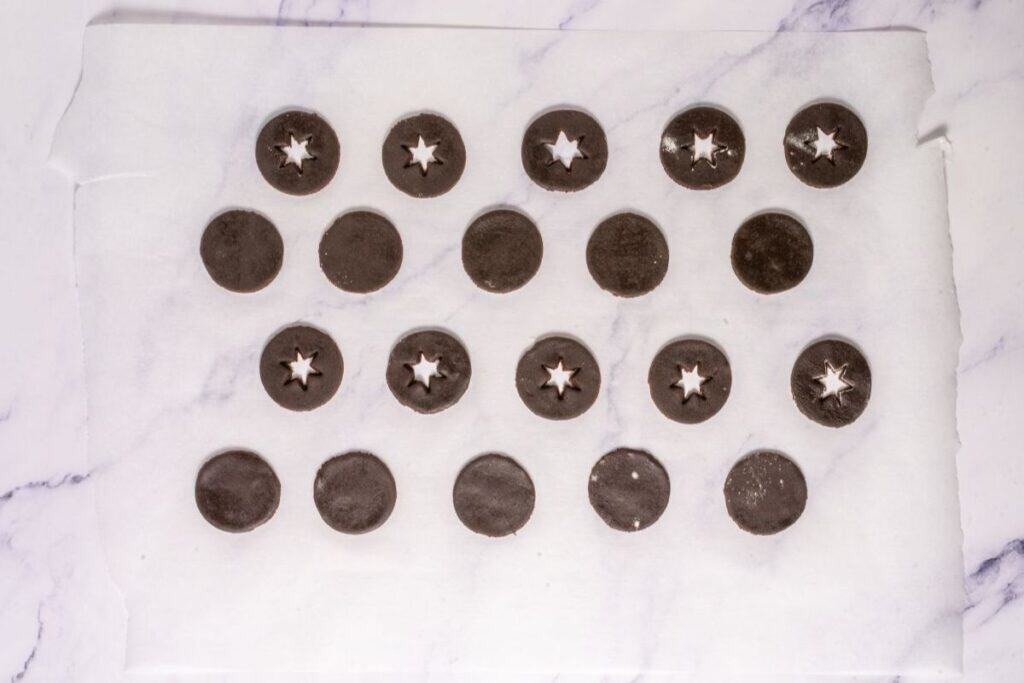
Turn the dough out onto a lightly floured surface and roll to about ¼ inch thickness. Use a 2-inch round cutter to cut as many rounds as possible. Set half the rounds aside as the solid bases. In the remaining rounds, cut a 1-inch star (or similar shape) from the center of each to create the top cookies. Reroll scraps as many times as you can, kneading well between each roll.
Place all the cut cookies on a piece of parchment and transfer to the freezer for 10 minutes. Don’t skip this step, as chilled dough holds its shape through the bake and keeps the edges defined.
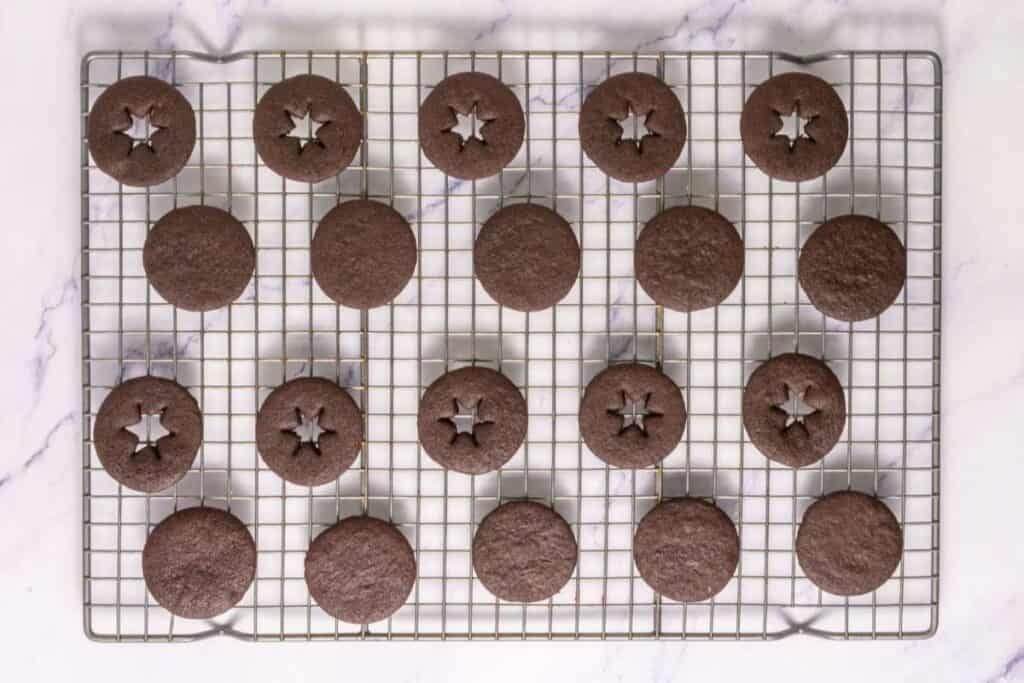
Bake for 9 to 10 minutes, or until the centers look set and the cookies no longer look wet in the middle. They’ll still feel slightly soft, and that’s correct. They firm up as they cool. Transfer the pan to a wire rack and let the cookies cool completely before you touch them.
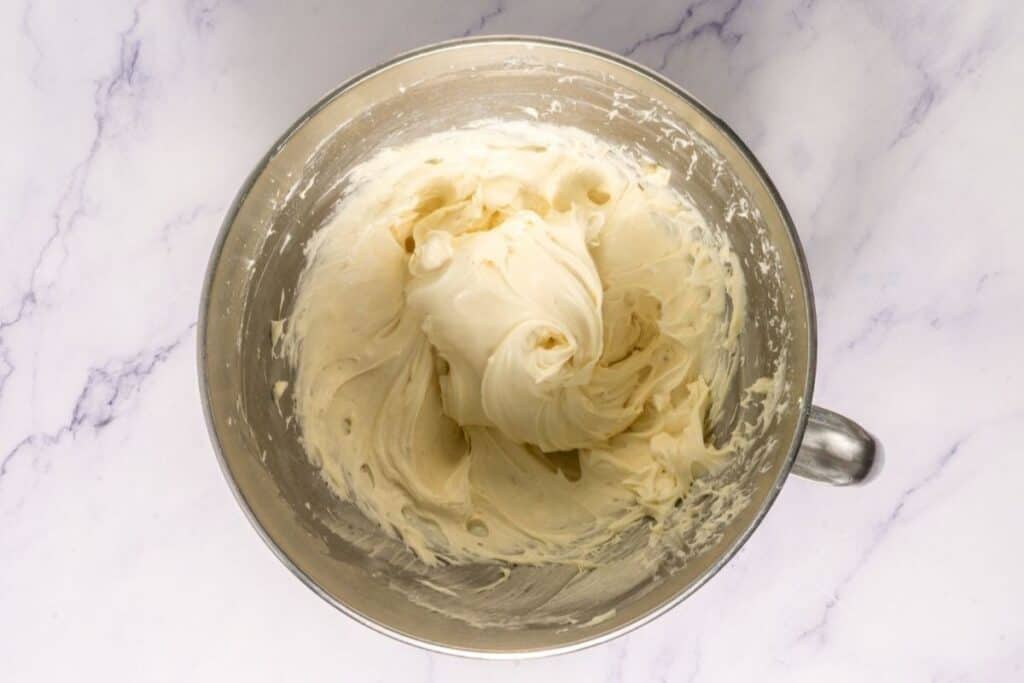
For the frosting filling, beat the softened butter and cream cheese together in a stand mixer until completely smooth with no lumps remaining. Add the powdered sugar, salt, and vanilla. Start on low until the sugar is incorporated, then scrape the bowl and beat on medium for about 2 minutes until the frosting is smooth and fluffy.
Spread a layer of frosting over each solid cookie base, then top with a star-cutout cookie, pressing gently so the layers meet without the frosting squeezing out the edges. Dust with powdered sugar through a fine-mesh sieve just before serving.
Serving Suggestions
Chocolate Linzer cookies are a natural fit on a holiday cookie tray alongside other cut-and-filled options. I serve these with my Peaches & Cream Cookies for contrast; the two cookies look completely different and balance each other on the tray. For a chocolate-forward spread, add my Salted Dark Chocolate Cookies to round out the assortment.
Storage
Store assembled cookies in an airtight container in the refrigerator for up to 3 days. The cream cheese filling requires refrigeration. Let them sit at room temperature for 10 to 15 minutes before serving; cold cream cheese frosting can be firm straight from the fridge. Unassembled baked cookie bases (without filling) can be frozen for up to 6 weeks; freeze flat in a single layer, then transfer to a bag. Fill after thawing.
Frequently Asked Questions
Yes. Wrap the dough tightly in plastic and refrigerate for up to 2 days, or freeze for up to 1 month. Thaw frozen dough in the refrigerator overnight before rolling. Cold dough is actually easier to work with than room-temperature dough.
Any 1-inch cutter works, a small circle, heart, or holiday shape. The shape just needs to be small enough to leave a solid border on the 2-inch base cookie.
The dough wasn’t cold enough when it went into the oven. The 10-minute freezer step before baking is what keeps the cut edges defined. If your kitchen is warm, extend the freeze to 15 minutes.
The cookies themselves freeze fine, but cream cheese frosting doesn’t freeze well; the texture gets grainy when it thaws. Freeze the baked cookie bases unfilled, then assemble with fresh frosting after thawing.

Chocolate Linzer Cookies Recipe
Ingredients
For the Cookies
- ½ cup butter softened
- ⅓ cup sugar
- ⅓ cup brown sugar
- 1 egg
- 1 teaspoon vanilla
- 1½ cups flour
- 1 teaspoon espresso powder
- ½ teaspoon salt
- ½ teaspoon baking powder
For the Cream Cheese Frosting Filling
- ½ cup butter softened
- 8 oz cream cheese softened
- 2 cups powdered sugar
- ½ teaspoon salt
- 1 teaspoon vanilla
Instructions
- Preheat the oven to 350°F. Line two baking sheets with parchment paper and set aside.
- In the bowl of a stand mixer fitted with the paddle attachment, combine the softened butter, granulated sugar, and brown sugar. Cream until smooth.
- Add the egg and vanilla. Mix well until fully combined.
- Add the flour, espresso powder, salt, and baking powder. Mix thoroughly, scraping down the sides often.
- On a lightly floured surface, roll the dough to about ¼ inch thickness. Use a 2-inch round cookie cutter to cut out as many rounds as possible. Reroll scraps, kneading well between each roll.
- In half the rounds, use a 1-inch star (or similar shape) cutter to remove the center of the cookie.
- Place all cut cookies on parchment and transfer to the freezer for 10 minutes.
- Bake in the preheated oven for 9 to 10 minutes, or until the centers are set. Transfer to a wire rack and cool completely before assembling.
For the filling:
- In the bowl of a stand mixer, beat the softened butter and cream cheese together until smooth with no lumps remaining.
- Add the powdered sugar, salt, and vanilla. Mix on low until combined, then scrape down the sides and beat on medium for about 2 minutes until smooth and fluffy.
- Spread a layer of frosting over the top of each solid cookie base.
- Top each with a star-cutout cookie, pressing gently to set.
- Dust with powdered sugar before serving.
Notes
Recipe Card Tips
- Freeze the cut cookies, not the whole dough slab. You get faster, more even chilling, and the cookies go straight from the freezer to the oven with no extra wait.
- Both the butter and cream cheese for the filling need to be genuinely softened — not cold, not approaching room temperature. Lumps that form from cold ingredients don’t cream out.
- Assembled cookies are a refrigerator item because of the cream cheese filling. Pull them out 10 to 15 minutes before serving — the frosting firms up when cold and softens back to the right texture at room temperature.
Nutrition
A Note on Nutritional Information
Nutritional information for this recipe is provided as a courtesy and is calculated based on available online ingredient information. It is only an approximate value. The accuracy of the nutritional information for any recipe on this site cannot be guaranteed.